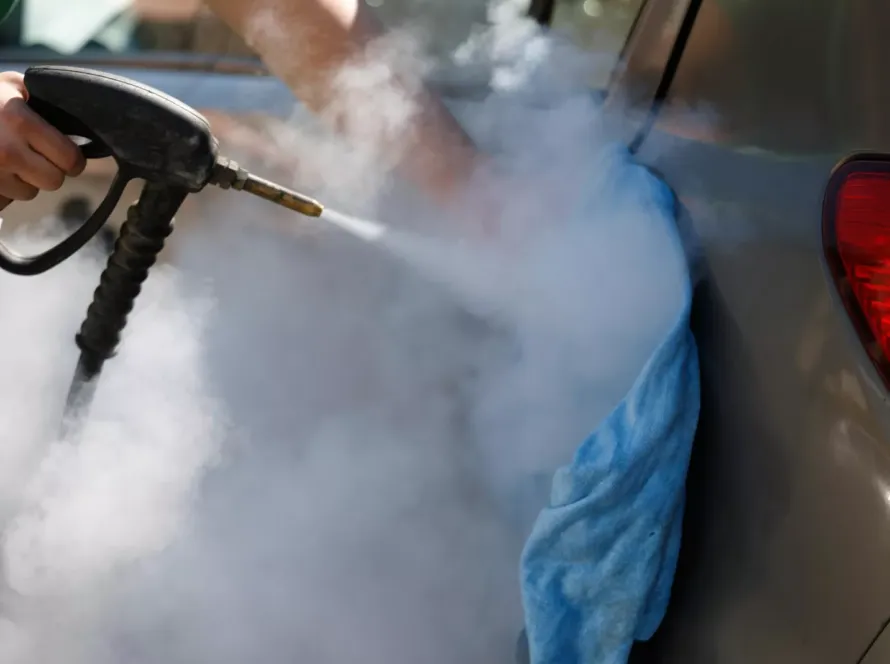
Classic and collector cars deserve meticulous care—especially underneath. The car’s undercarriage is particularly vulnerable to rust threats such as moisture, salt, mud, and debris, which can accelerate corrosion. While paint and chrome often receive the spotlight, the undercarriage quietly faces constant exposure to moisture, road debris, salt, and grime. Without a proactive strategy, corrosion can spread quickly and compromise both structural integrity and long-term value.
Effective rust protection is essential not only for preserving your vehicle’s value but also for maintaining safety and structural integrity on the road. This guide covers practical, proven undercarriage rust prevention strategies and explains how to prevent undercarriage rust before it becomes a costly restoration issue.
Why Undercarriage Rust Is a Serious Problem for Classic Cars
The undercarriage is constantly exposed to moisture, road salts, dirt, oil residue, and debris. Over time, these contaminants trap moisture against bare metal components, accelerating oxidation. Rust begins forming when the protective coatings are compromised, and the exposed metal reacts with oxygen and water, leading to corrosion. For classic and collector vehicles, this can lead to:
- Frame corrosion
- Suspension deterioration
- Brake line damage
- Exhaust system rust
- Structural weakening
Regular inspections of the undercarriage are essential to catch rust and other issues early, allowing for timely intervention before significant damage occurs.
Because the underbody is often out of sight, corrosion can develop unnoticed until it becomes extensive and expensive to repair. Addressing existing rust promptly is crucial to prevent further deterioration and ensure effective undercarriage rust prevention.
Understanding how to prevent rust on undercarriage components is essential for preserving originality and protecting your investment.
Causes of Rust and Corrosion
Rust and corrosion are persistent threats to any vehicle’s undercarriage, especially for classic and collector cars. The rusting process begins when bare metal is exposed to both moisture and oxygen, triggering a chemical reaction that leads to rust formation. This process is accelerated by the presence of road salt, which acts as a catalyst and makes it easier for moisture to cling to metal surfaces.
Dirt, grime, and road debris can trap moisture against the undercarriage, creating pockets where water lingers and corrosion takes hold. Over time, even small amounts of salt or moisture can initiate the rusting process, particularly in hidden areas or crevices where air circulation is limited. Vehicles driven in winter months or coastal regions are especially vulnerable, as salt and humidity increase the risk of corrosion.
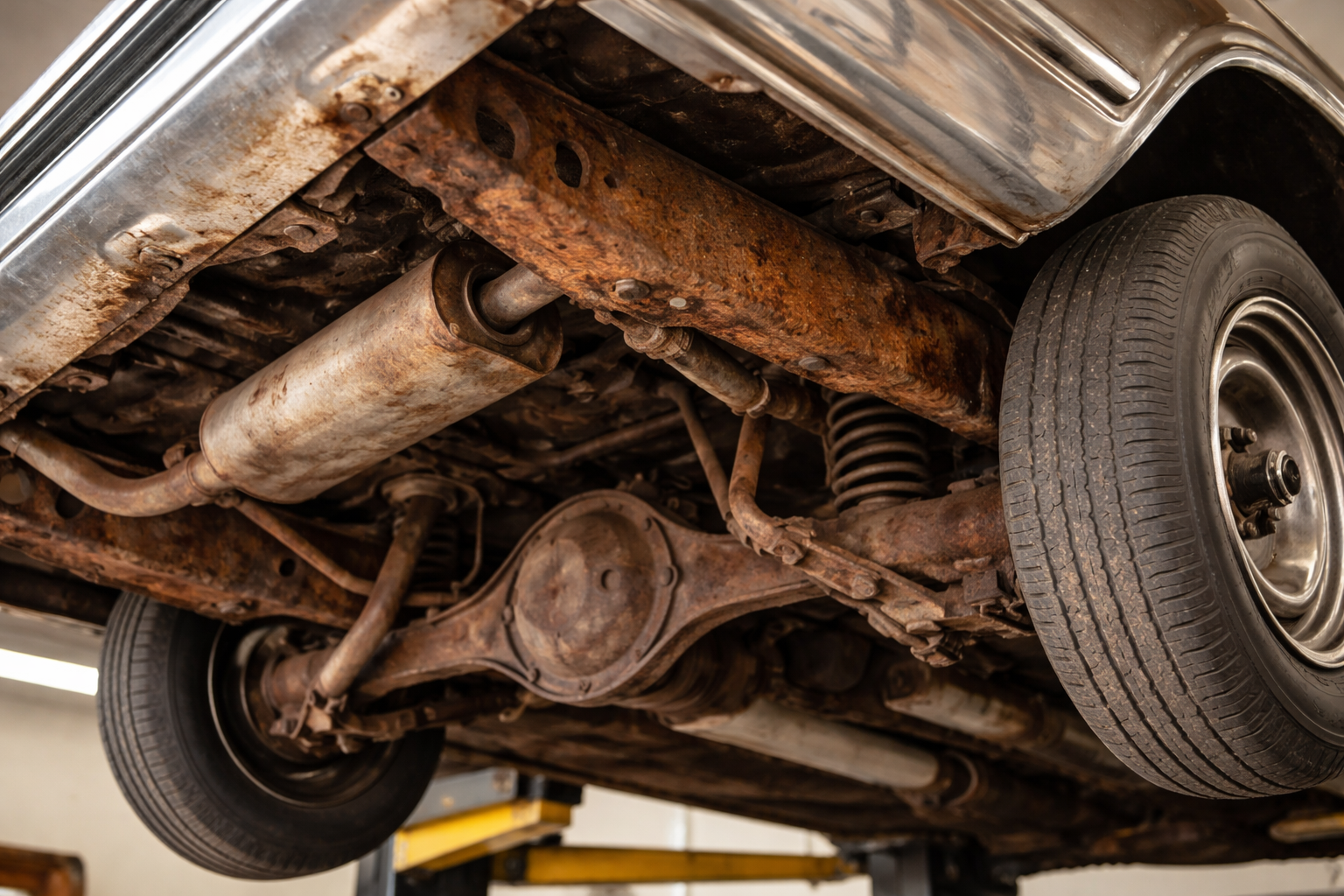
Understanding these causes is essential for anyone looking to prevent rust and keep their car rust free. By recognizing how salt, moisture, and trapped dirt contribute to undercarriage rust, car owners can take targeted steps to protect their vehicle’s metal components and preserve structural integrity for years to come.
How to Prevent Undercarriage Rust: Essential Strategies
Effective undercarriage rust prevention begins with consistent care and proactive maintenance. There are several rust prevention methods available, including surface preparation, rust removal, and the application of specialized coatings or inhibitors designed to protect your vehicle’s undercarriage.
1. Routine Inspections
Regularly inspect the undercarriage for:
- Surface rust
- Bubbling paint or flaking coatings
- Accumulated mud or road debris
- Damp or oily buildup
- Blocked or clogged drain holes
- Scratches or chips exposing bare metal
Early detection allows for targeted treatment before corrosion spreads. Performing annual inspections for rust spots and immediately addressing chipped paint or scratches can prevent further corrosion.
2. Keep the Undercarriage Clean
One of the most overlooked aspects of how to prevent undercarriage rust is consistent cleaning. Dirt and salt trap moisture against metal surfaces, accelerating oxidation.
After exposure to rain, coastal air, or salted roads:
- Rinse the underbody thoroughly
- Remove caked mud and debris
- Dry the vehicle properly
Regular washing of the undercarriage, especially after driving on salted roads, is crucial for rust prevention. Using a high-pressure wash helps remove salt and debris that can cause undercarriage rust. Keeping your car clean is especially important during winter when road salt is prevalent.
Keeping contaminants from building up is foundational to long-term protection.
3. Apply Protective Coatings
After cleaning, applying protective coatings is critical in preventing oxidation and is a key step in undercarriage rust prevention. One of the most effective rust prevention methods is undercoating, which creates a protective barrier (layer) against moisture and road salts that cause rust. Undercoating is a specialized protective coating applied to the undercarriage to shield exposed metal from corrosion and extend the lifespan of vehicle components.
There are several types of protective coatings available, including oil-based, wax/paraffin-based, rubberized, asphalt-based, and ceramic-based underbody coatings. Oil-based and wax/paraffin-based undercoatings can be applied by DIYers, while asphalt-based and rubberized coatings are best left to professionals due to their complexity. Ceramic-based underbody coatings are a modern alternative to traditional paint jobs, offering a long-lasting, hydrophobic protective layer for enhanced rust protection. Protective undercoatings such as oil-based, wax, or rubberized coatings should be applied annually, and undercoating generally needs to be reapplied every one to three years depending on the type used. The best time to apply undercoating is in the spring or summer when the weather is warm and dry.
Options include:
- Rust inhibitors (spray-on products for frames and wheel wells)
- Wax-based underbody coatings
- Oil-based undercoatings (such as Fluid Film, which can penetrate existing rust and displace moisture)
- Rubberized and asphalt-based undercoatings
- Ceramic-based underbody coatings
- Clear protective sealants
- Specialized corrosion-resistant treatments
Proper surface preparation is key to ensuring maximum adhesion and longevity. Use a wire wheel to remove rust and corrosion from exposed metal surfaces before applying any protective coating. For minor rust, DIY rust removal can be effective using sandpaper and rust converter spray; rust converters like POR-15 chemically transform surface rust into a stable, paintable surface. However, for larger rust spots or deeper corrosion, it is advisable to consult a professional.
Always cover any exposed metal or scratches with a protective coating to prevent future rust.
4. Store Your Classic Car Properly
Environmental control plays a major role in how to prevent rust on undercarriage components.
Best practices include:
- Climate-controlled storage
- Low humidity levels
- Avoiding dirt or gravel flooring
- Using proper ventilation
For coastal regions like Orange County, humidity and salt air can quietly accelerate corrosion—even when the car is rarely driven.
5. Address Rust Immediately
If surface rust appears:
- First, check for existing rust and assess whether it is minor rust or more extensive.
- For minor rust, DIY rust removal can be effective using sandpaper and a rust converter spray.
- For larger rust spots or deeper corrosion, it is best to consult a professional.
- Remove oxidation carefully
- Neutralize corrosion
- Apply protective primer and coating
Ignoring minor corrosion often leads to structural repairs that are far more expensive than early intervention.
Steam Cleaning: The Most Effective Method for Undercarriage Rust Prevention
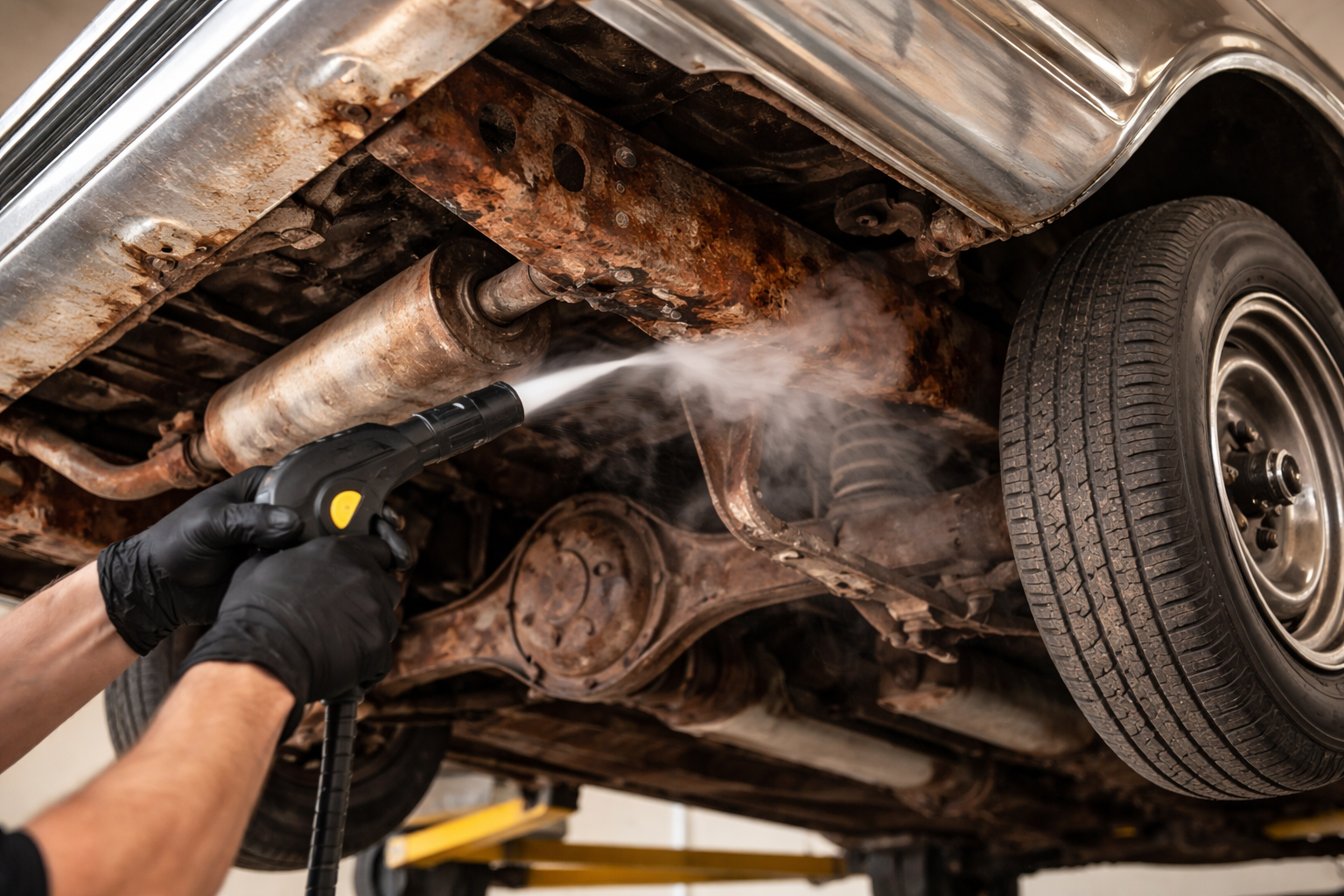
When it comes to advanced undercarriage rust prevention, steam cleaning stands out as one of the most effective and safest solutions available—especially for classic and collector vehicles.
Unlike traditional pressure washing, steam cleaning uses high-temperature vapor with minimal water output. This provides several advantages:
- Deep penetration into seams, brackets, and hard-to-reach areas
- Provides access to small or difficult-to-reach areas, ensuring thorough cleaning and rust prevention
- Removes grease, salt, and contaminants without harsh chemicals
- Low moisture output, reducing the risk of trapped water
- Gentle yet powerful cleaning safe for delicate classic components
Traditional high-pressure washing can force water into crevices where it lingers and accelerates corrosion. Steam cleaning lifts buildup while minimizing excess moisture—making it a superior solution for those serious about how to prevent undercarriage rust.
Routine undercarriage steam cleaning forms the foundation of a long-term strategy for anyone asking how to prevent rust on undercarriage surfaces effectively.
Professional Undercarriage & Engine Steam Cleaning in Orange County, CA
At Doctor Detail in Orange County, CA, we specialize in complete automotive reconditioning and detailing at every level—from routine maintenance services to full concours-level preparation.
Our team is known for precision, preservation-focused craftsmanship, and industry-leading techniques. We exclusively offer professional steam cleaning for undercarriages and engines, providing one of the most effective methods available for deep cleaning and corrosion prevention.
In addition to preventative care, we provide complete engine and undercarriage restoration services, bringing classic vehicles back to factory-correct presentation standards. Whether your vehicle needs maintenance detailing or full show preparation, our approach is meticulous and tailored to collector-grade automobiles.

Schedule Your Undercarriage Steam Cleaning Service at Doctor Detail Today
If you’re serious about how to prevent undercarriage rust and implementing proper undercarriage rust prevention, professional steam cleaning is one of the smartest decisions you can make.
Don’t wait for corrosion to take hold.
Contact Doctor Detail in Orange County, CA today to schedule your professional undercarriage steam cleaning service and ensure your classic or collector car stays preserved, protected, and ready for the road—or the show field.