Surface scratches can make an otherwise well-maintained vehicle look dull, neglected, or prematurely aged. Fortunately, many light blemishes can be improved or removed without repainting the affected panel. The key is knowing how deep the damage goes and using the least aggressive correction method necessary.
Learning how to remove surface scratches on car paint requires patience, proper preparation, and an understanding of the clear coat that protects the color underneath. Using harsh compounds, dirty towels, or excessive pressure can turn a minor scratch into a much larger paint defect. This guide explains how to remove surface scratches safely while preserving the finish of your vehicle.
Understanding the Layers of Automotive Paint
Modern automotive paint typically consists of several layers. Knowing how these layers work can help you determine whether a scratch is suitable for at-home correction or requires professional paint restoration.
The main layers include:
- Primer: Creates a stable surface for the paint and helps protect the body panel.
- Base coat: Provides the vehicle’s color.
- Clear coat: Adds gloss and protects the base coat from sunlight, oxidation, moisture, road debris, and environmental contaminants.
Most light surface scratches are limited to the clear coat. These marks may appear white, cloudy, or slightly dull when viewed under direct lighting. Because they have not penetrated the color layer, they can often be reduced through careful polishing.
Deeper scratches that expose the base coat, primer, metal, or plastic generally require touch-up paint, refinishing, or professional repair.
How to Tell Whether a Scratch Is Only on the Surface
Before attempting any correction, inspect the damaged area carefully. A simple fingernail test can help you estimate the severity of the scratch.
Gently run a clean fingernail across the mark. If your fingernail does not catch, the scratch is likely confined to the upper portion of the clear coat and may respond well to polishing. If your nail catches slightly, the defect may still be correctable, but it could require machine polishing or professional paint restoration.
A scratch is more likely to need professional repair when:
- Your fingernail catches deeply in the groove
- The vehicle’s paint color is missing
- Gray primer is visible
- Bare metal or plastic is exposed
- The area contains cracking, peeling, or flaking paint
- The scratch extends across multiple body panels
- The damage is located on an edge or sharp body line
Avoid repeatedly polishing a deep scratch. Polishing removes a microscopic amount of clear coat, so excessive correction can thin or permanently damage the protective finish.
Gather the Proper Scratch-Removal Supplies
Using the correct materials is essential when learning how to remove surface scratches on a car without creating additional damage.
For most light scratches, you may need:
- pH-neutral automotive shampoo
- Clean wash mitt
- Microfiber drying towels
- Automotive clay bar or synthetic clay mitt
- Clay lubricant
- Fine finishing polish
- Mild scratch-removal compound
- Foam or microfiber applicator pad
- Multiple clean microfiber towels
- Paint sealant, wax, or ceramic-based protectant
- Inspection light or bright overhead lighting
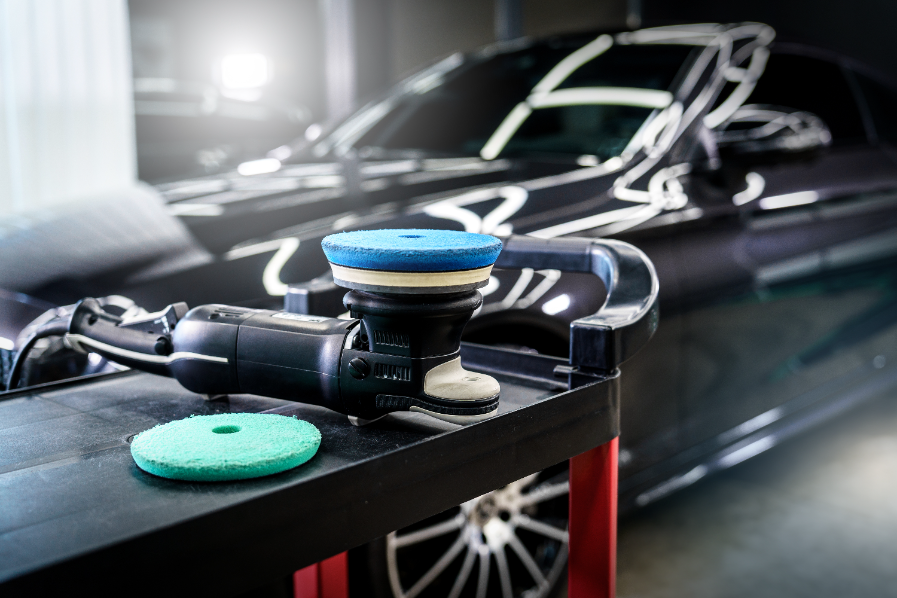
Avoid household cleaners, abrasive kitchen sponges, paper towels, bath towels, and unverified scratch-removal products. These materials may be too aggressive or may introduce new swirl marks into the paint.
Wash the Area Thoroughly Before Polishing
Never polish a dirty vehicle. Dust, sand, road film, and other particles can become trapped beneath the applicator pad and create additional scratches.
Begin by rinsing the affected panel to loosen surface debris. Wash the area with a clean mitt and a pH-neutral automotive shampoo, working with light pressure. Rinse thoroughly and dry the panel with a clean microfiber towel.
Ideally, wash the entire vehicle rather than cleaning only a small section. This prevents nearby contamination from being transferred into the repair area.
Work in a shaded location while the paint is cool to the touch. Direct sunlight and hot body panels can cause cleaning products and polishes to dry too quickly.
Decontaminate the Paint Surface
Some marks that look like scratches are actually paint transfer, oxidation, mineral buildup, or bonded contamination. Before using an abrasive polish, inspect the area after washing.
If the paint feels rough, use an automotive clay bar or synthetic clay mitt with plenty of lubricant. Move the clay gently across the surface without applying excessive downward pressure. This can remove embedded contaminants that ordinary washing leaves behind.
After claying, wipe the panel with a clean microfiber towel and inspect the scratch again. In some cases, removing contamination makes the defect much less noticeable.
Start With the Least Aggressive Correction Method
The safest approach is to begin with a fine finishing polish rather than immediately reaching for a heavy compound. A finishing polish contains mild abrasives that can smooth the edges of shallow clear-coat scratches and restore gloss.
Apply a small amount of polish to a clean foam applicator pad. Work on a small section, approximately one to two square feet, using overlapping circular or crosshatch motions. Apply light, even pressure rather than aggressively scrubbing the surface.
After several passes, wipe away the polish with a clean microfiber towel and inspect the area under bright lighting. Repeat the process only if the clear coat still appears healthy and the scratch is improving.
Use a Mild Compound for More Noticeable Scratches
If a fine polish does not provide enough correction, a mild automotive rubbing compound may be necessary. Compounds contain stronger abrasives and remove more clear coat than finishing polishes, so they must be used carefully.
Apply a small amount of compound to a dedicated applicator pad. Work it into the affected area with controlled, overlapping motions. Do not concentrate repeatedly on one small point, as this can create uneven paint thickness or excessive heat.
Once the scratch has improved, follow the compound with a finishing polish. This second step helps remove any haze or fine marring left behind by the more aggressive product.
The goal is not always to eliminate every trace of the scratch. In many cases, reducing its visibility while preserving clear-coat thickness is safer than pursuing complete removal.
How to Remove Surface Scratches on Car Paint by Hand
Hand polishing is generally suitable for isolated, very light scratches. It provides more control and generates less heat than machine polishing, making it a practical option for beginners.
Use the following process:
- Wash and dry the vehicle thoroughly.
- Decontaminate the affected area if necessary.
- Tape off nearby trim, badges, and textured plastic.
- Test a fine polish in a small, inconspicuous area.
- Work the polish with a clean applicator pad.
- Wipe away the residue using a microfiber towel.
- Inspect the paint under direct lighting.
- Repeat only when necessary.
- Apply paint protection after polishing.
Hand polishing can improve isolated scratches, but it may not produce an even finish across a large panel. Multiple scratches, heavy oxidation, or widespread swirl marks are usually better addressed through professional machine polishing.
When Machine Polishing May Be Necessary
Dual-action polishers can remove clear-coat defects more efficiently and consistently than hand application. However, machine correction requires the right combination of pad, polish, speed, pressure, and technique.
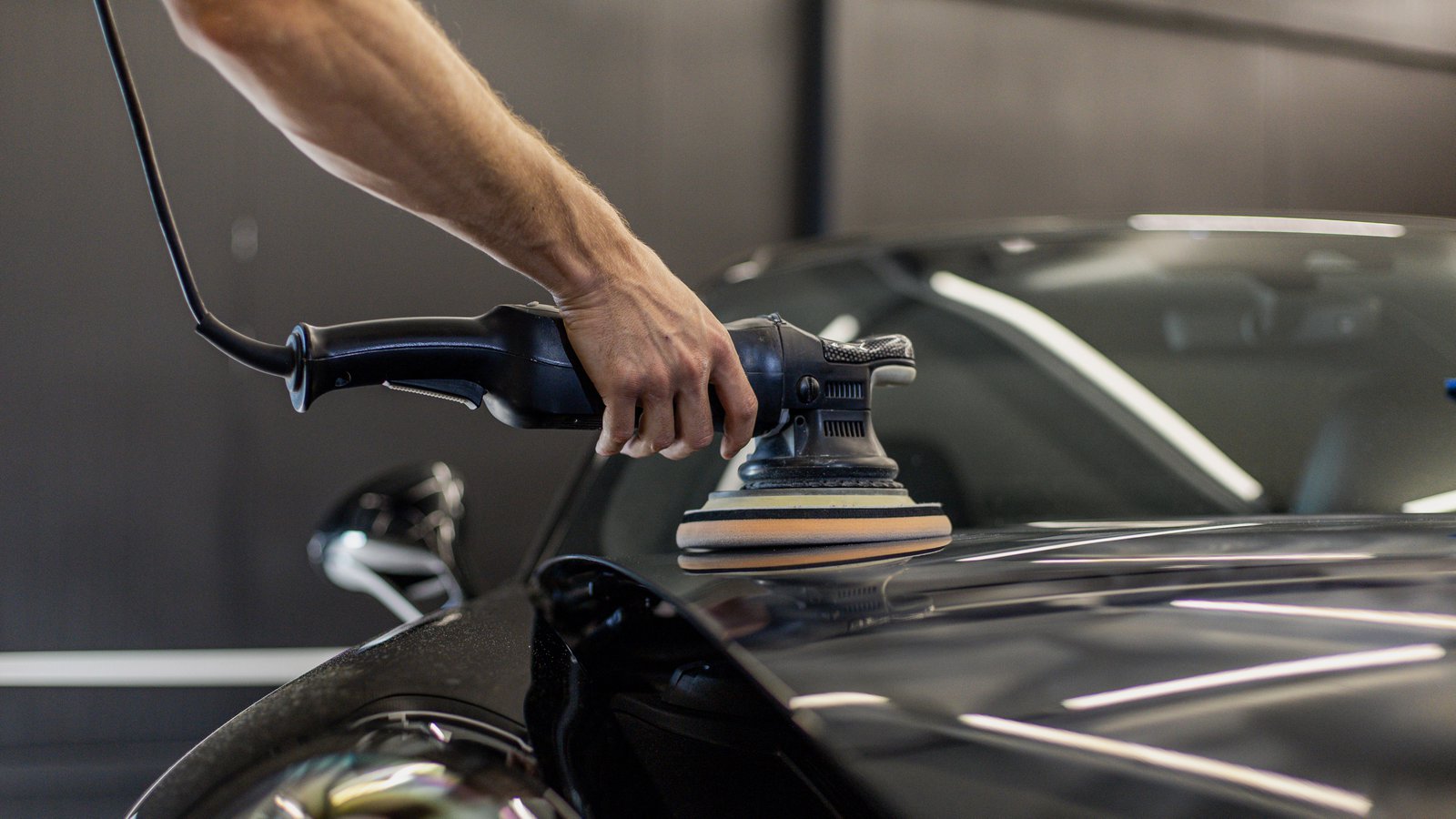
Improper machine polishing can cause:
- Clear-coat thinning
- Holograms or buffer trails
- Uneven gloss
- Burned paint
- Damage along edges and body lines
- Polish residue on trim
- New swirl marks from contaminated pads
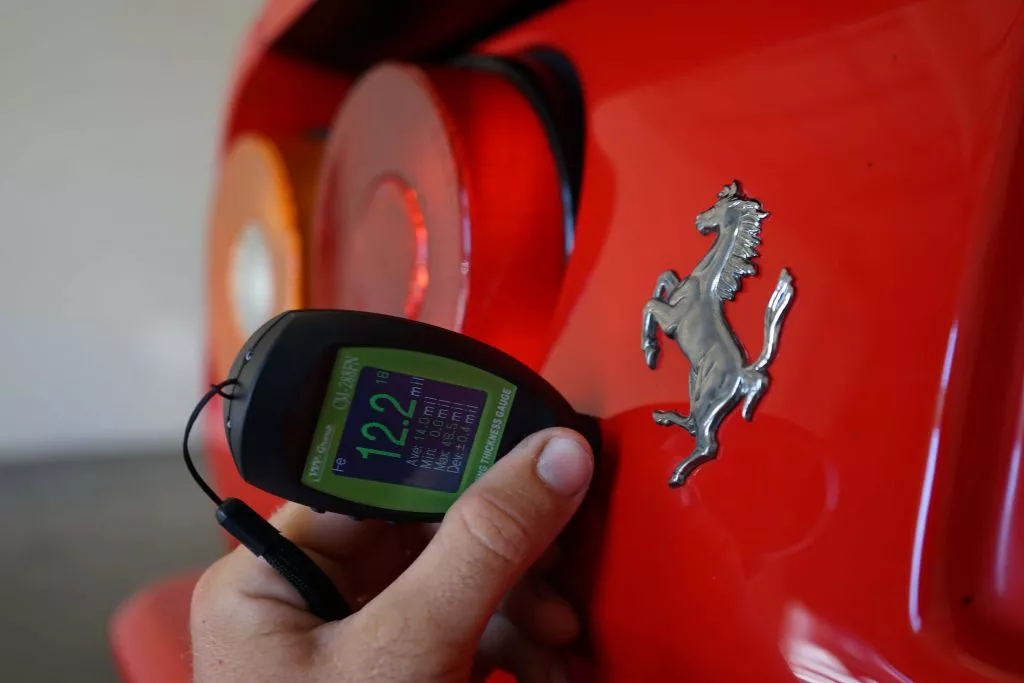
Vehicle owners without polishing experience should avoid experimenting on rare, classic, luxury, or collector vehicles. Professional detailers can measure paint thickness, inspect previous repairs, and select an appropriate correction process for the finish.
Avoid Common Scratch-Removal Mistakes
Knowing what not to do is just as important as understanding how to remove surface scratches on car paint.
Do Not Use Toothpaste
Toothpaste is frequently promoted as a homemade scratch remover, but it is not formulated for automotive clear coat. Its abrasive properties are inconsistent and may leave the paint hazy, uneven, or more heavily scratched.
Do Not Use a Magic Eraser
Melamine foam is highly abrasive despite feeling soft. It can dull automotive paint and remove more clear coat than expected.
Do Not Polish With a Dirty Towel
A microfiber towel that contains dirt, dried polish, or debris can create new scratches. Always use freshly washed, paint-safe towels and switch to a clean side frequently.
Do Not Polish Hot Paint
Heat can cause polish to dry prematurely, making it difficult to work and remove. It can also increase the risk of staining or uneven correction.
Do Not Apply Excessive Pressure
More pressure does not always produce better results. Heavy pressure can increase heat, wear down the clear coat, and create additional haze.
Do Not Keep Polishing a Deep Scratch
If the scratch remains visible after a careful polishing attempt, it may extend below the clear coat. Continuing to abrade the area can cause permanent damage without improving the defect.
Protect the Paint After Scratch Removal
Polishing improves the surface by removing a small amount of damaged clear coat, but it also removes existing waxes, sealants, and coatings. The corrected area should be protected after polishing.
Common paint-protection options include:
Automotive Wax
Wax enhances gloss and provides basic short-term protection. It is relatively easy to apply but generally requires frequent reapplication.
Paint Sealant
Synthetic paint sealants typically last longer than traditional waxes. They can help protect the finish from UV exposure, moisture, oxidation, and environmental contamination.
Ceramic Coating
Ceramic coatings create a durable, hydrophobic layer over properly prepared paint. They can improve chemical resistance, simplify washing, and help preserve gloss, although they do not make paint completely scratch-proof.
Paint Protection Film
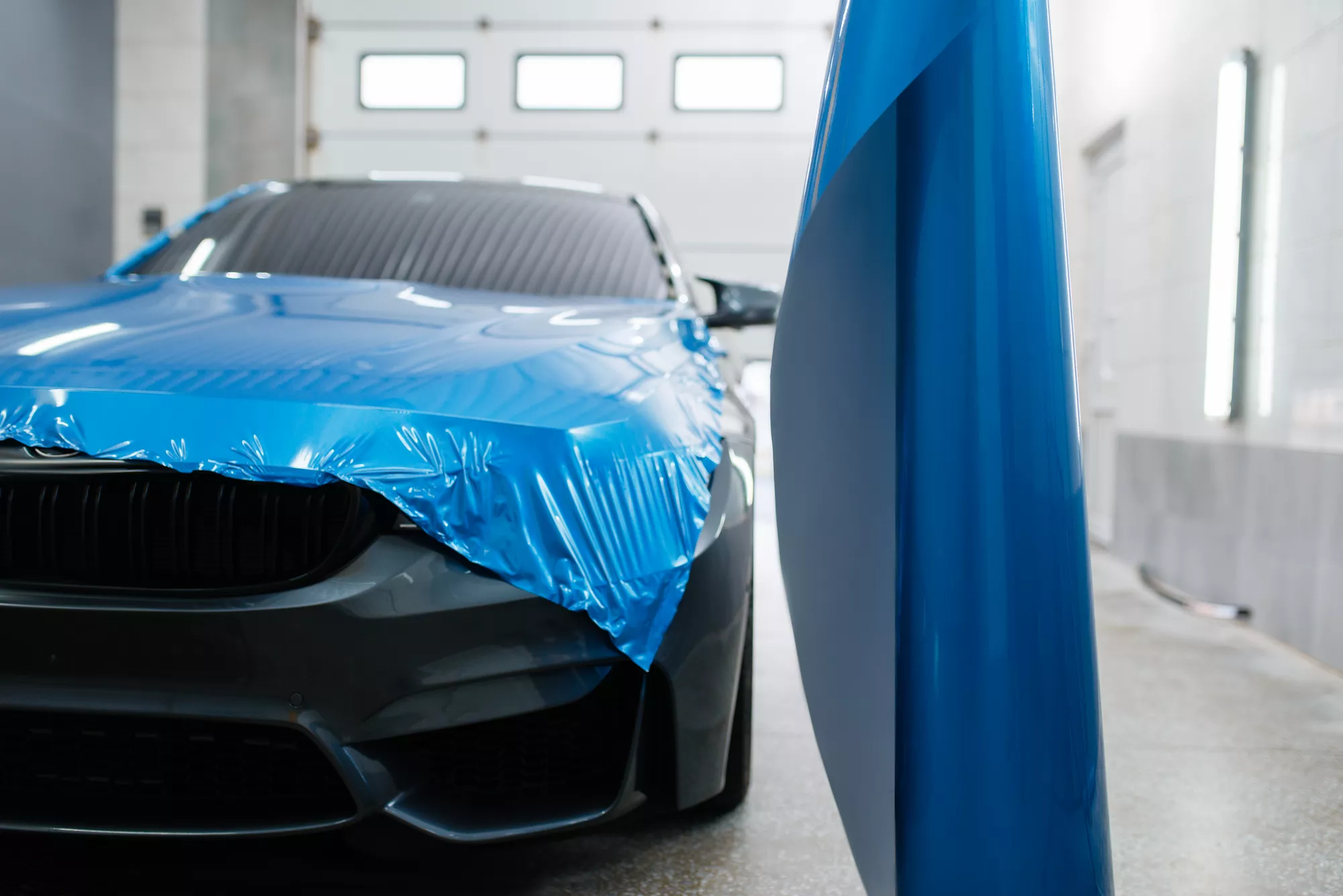
Paint protection film, commonly called PPF, provides a physical barrier against rock chips, road debris, bug impacts, light abrasions, and wheel rash. It is especially useful on bumpers, hoods, fenders, side rockers, mirrors, and other high-impact areas.
When to Choose Professional Paint Correction
Professional assistance is the safest choice when the scratch is deep, widespread, or located on a high-value vehicle. It is also recommended when the paint has already undergone previous correction or refinishing.
A professional detailer may use paint-thickness gauges, specialized lighting, controlled machine polishing, wet sanding, touch-up procedures, or panel refinishing to achieve the best possible result. The appropriate method depends on the depth of the defect and the condition of the surrounding paint.
Seek professional evaluation when:
- The scratch exposes primer, metal, or plastic
- The finish looks cloudy after an at-home repair
- Multiple panels have swirl marks or oxidation
- The paint has been previously refinished
- The vehicle has matte or satin paint
- The vehicle has an existing ceramic coating or PPF
- The car is exotic, classic, rare, or collectible
- You are uncertain how much clear coat remains
Matte finishes require particular caution because they cannot be polished like traditional glossy paint. Attempting to polish a matte finish may create a permanent shiny spot.
Professional Paint Restoration and Protection at Doctor Detail
Established in 1983, Doctor Detail is located in Costa Mesa in the heart of Southern California’s car culture. We specialize in complete automotive reconditioning and detailing at every level, from routine maintenance to concourse preparation. Our team works with daily drivers, luxury automobiles, exotic vehicles, and classic and collector cars from manufacturers such as Ferrari, Porsche, Lamborghini, BMW, Mercedes-Benz, and more.
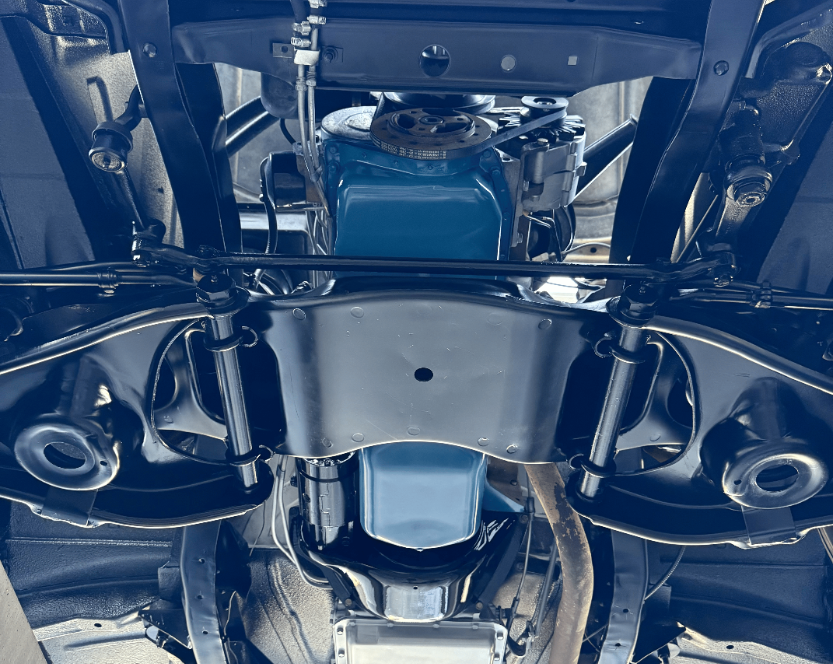
Doctor Detail provides a wide range of interior and exterior detailing, paint repair and restoration, paintless dent repair, bumper refinishing, wheel refinishing, powder coating, ceramic coating, nano coating, paint sealant, PPF installation, and vehicle wrapping. We also offer steam cleaning for engines and undercarriages, complete engine and undercarriage restoration, ceramic window tinting, glass coatings, matte PPF, clear protection films, and full-vehicle protection solutions.
Whether your vehicle has isolated scratches, swirl marks, oxidation, curb rash, road rash, faded paint, or more extensive cosmetic damage, our team can recommend an appropriate restoration and protection plan. We focus on preserving the vehicle’s finish while achieving a refined, long-lasting result.
Restore and Protect Your Car’s Paint With Doctor Detail in Costa Mesa
Understanding how to remove surface scratches on a car can help you safely improve light clear-coat defects, but not every scratch should be handled with an at-home product. Starting with the least aggressive method, using clean materials, and knowing when to stop are essential for avoiding unnecessary clear-coat damage.
For professional paint restoration, detailing, ceramic coating, PPF installation, paintless dent repair, and complete automotive reconditioning, contact Doctor Detail in Costa Mesa. Reach out to our team today to learn more about our services or to schedule an appointment for your vehicle.