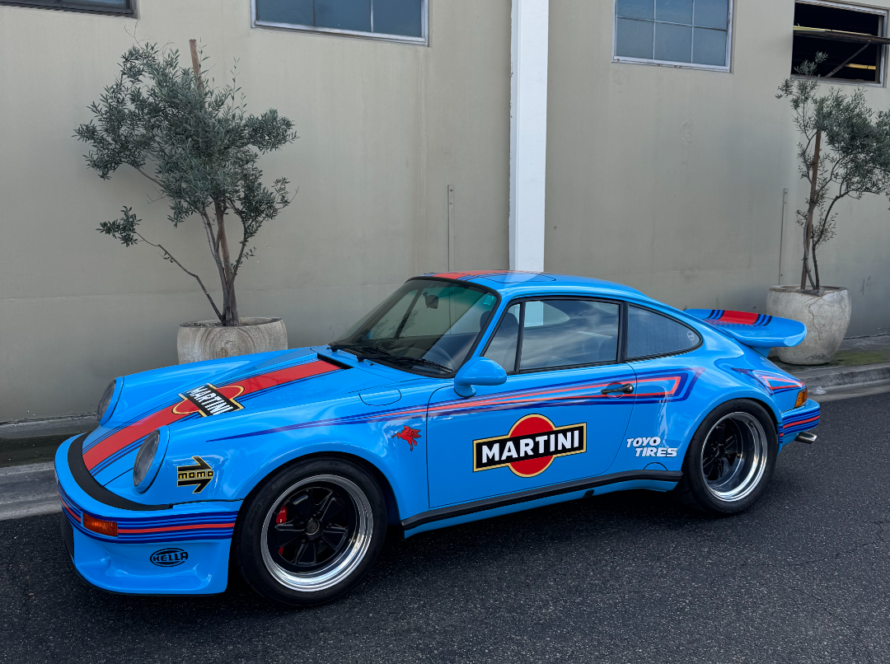
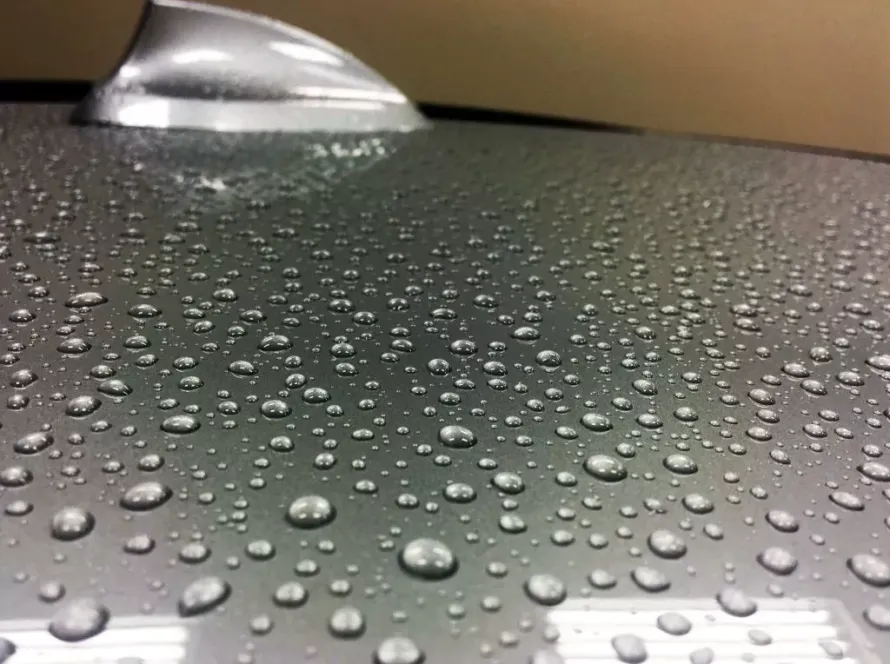
California summers can be especially demanding on automotive paint. Intense sunlight, high temperatures, airborne dust, coastal salt, bird droppings, tree sap, and road debris can all weaken a vehicle’s exterior finish when they are allowed to remain on the surface. Over time, these conditions may contribute to fading, oxidation, water spots, clear coat damage, and a dull appearance.
Learning how to protect car paint during the summer can help preserve your vehicle’s color, gloss, and long-term value. Whether you drive a daily commuter, luxury vehicle, classic car, or collector automobile, consistent maintenance and professional paint protection can reduce exposure-related damage. The following practical tips explain how to protect paint on a car from the California sun, heat, and ultraviolet radiation.
Why California Summer Weather Is Harsh On Car Paint
Automotive paint is designed to withstand outdoor conditions, but it is not immune to prolonged environmental exposure. Most modern vehicles have a clear coat over the colored base coat. This transparent layer provides gloss and serves as the first line of defense against UV rays, moisture, contaminants, and minor abrasion.
During the summer, surface temperatures on a parked vehicle can become significantly hotter than the surrounding air. Repeated heating and cooling can place stress on the paint and clear coat, especially if the finish is already oxidized, scratched, or poorly maintained.
Several common California conditions can accelerate exterior wear:
- Prolonged exposure to direct sunlight and UV radiation
- High surface temperatures on hoods, roofs, and trunks
- Hard-water mineral deposits from sprinklers or washing
- Dust, sand, and airborne industrial contaminants
- Bird droppings, insects, pollen, and tree sap
- Coastal salt and marine air
- Road tar, brake dust, and wheel debris
- Improper washing or drying techniques
Understanding these threats is the first step toward developing an effective plan to protect car paint throughout the summer.
1. Park in the Shade Whenever Possible
One of the simplest ways to limit UV and heat damage is to reduce the amount of time your vehicle spends in direct sunlight. Covered parking helps keep painted surfaces cooler and limits the cumulative effects of ultraviolet exposure.
Whenever practical, park in:
- A residential garage
- A covered parking structure
- A carport
- A shaded area that is not directly beneath a sap-producing tree
- A location that avoids lawn sprinklers
Shade can help, but drivers should be selective about where they park. Trees may provide relief from the sun while also exposing the vehicle to sap, pollen, leaves, insects, and bird droppings. Parking near sprinklers may result in hard-water spotting that becomes more difficult to remove after minerals bake onto a hot panel.
When covered parking is unavailable, professional ceramic coatings, paint sealants, and paint protection film can provide a more dependable protective barrier.
2. Wash the Vehicle Regularly
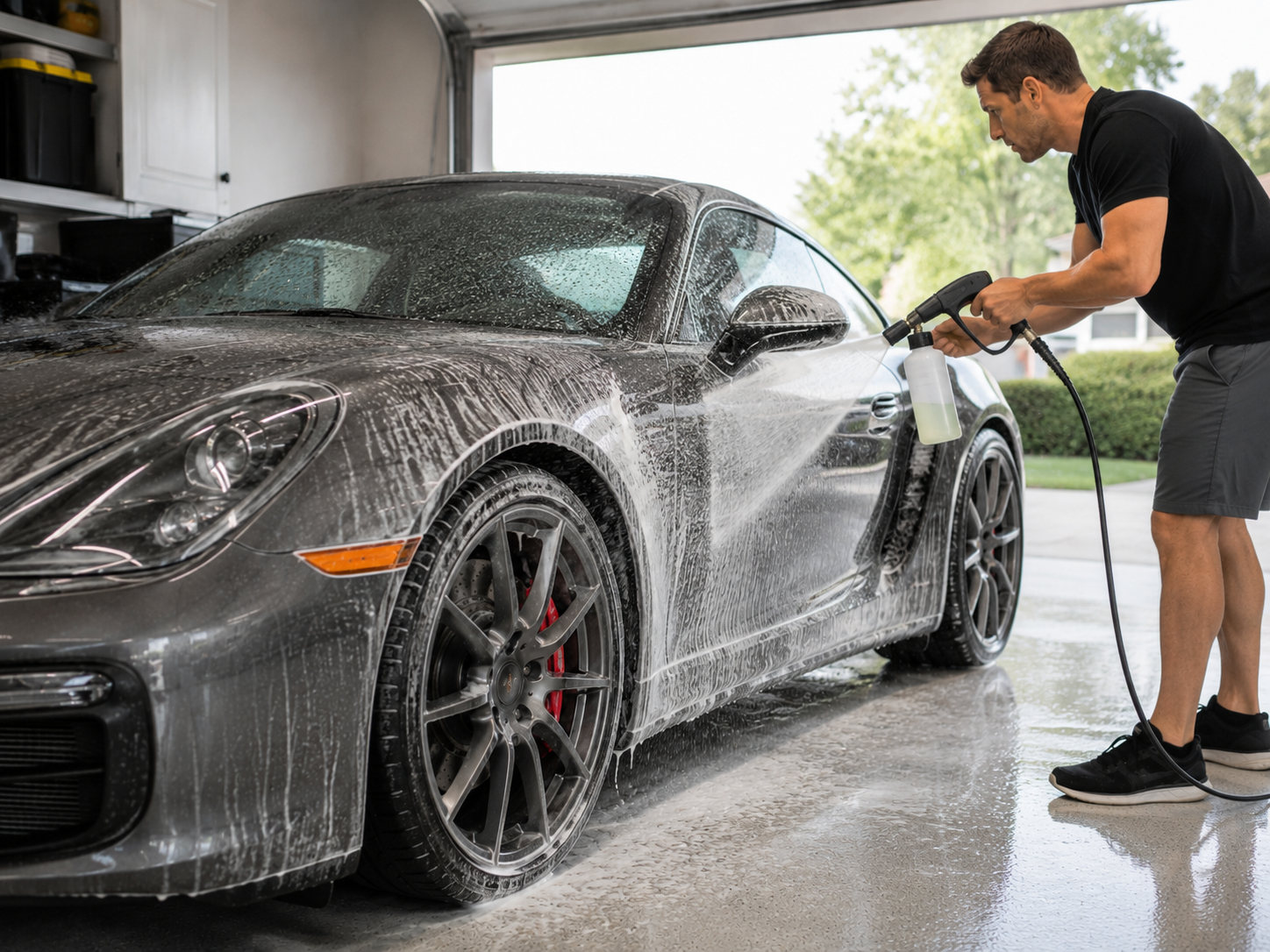
Regular washing removes contaminants before they can bond to or etch the clear coat. During the summer, dirt and organic debris can become more damaging when heated by the sun.
How often a vehicle should be washed depends on where it is driven and stored. A garage-kept collector vehicle may need less frequent cleaning than a daily driver parked outdoors near the coast or beneath trees. In many cases, washing every one to two weeks is a reasonable starting point, while visible bird droppings, bug residue, sap, or chemical contamination should be addressed promptly.
Always wash the car when the paint is cool. Washing a hot vehicle can cause soap and water to dry too quickly, increasing the risk of streaks and mineral deposits.
3. Use Proper Car-Washing Methods
Frequent washing will not protect car paint if the cleaning process creates scratches and swirl marks. Improper washing is one of the most common causes of avoidable clear coat damage.
A paint-safe washing process should include:
- A pH-balanced automotive shampoo
- Clean microfiber wash mitts
- Separate buckets for washing and rinsing
- A grit guard to help keep dirt away from the wash mitt
- Gentle straight-line washing motions
- Clean microfiber drying towels
- Dedicated tools for wheels, tires, and painted panels
Begin by rinsing loose debris from the vehicle. Wash from the top downward, since the lower body panels typically contain more road grime. Avoid using the same mitt on wheels and paint because brake dust and metallic particles can scratch the finish.
Household detergents should also be avoided. Dish soap and other strong cleaners may strip waxes, sealants, and protective oils from the surface.
4. Dry the Paint Carefully
Allowing water to evaporate naturally can leave behind minerals, particularly in areas with hard water. When droplets sit on hot paint, the minerals may become concentrated and form visible water spots.
Dry the vehicle promptly with a clean, soft microfiber towel or filtered-air drying system. Do not use rough bath towels, old T-shirts, or household rags, as they may create fine scratches.
For additional lubrication, a paint-safe drying aid can help reduce friction as the towel moves across the surface. The goal is to lift moisture away rather than drag debris across the paint.
5. Remove Bird Droppings, Bugs, and Tree Sap Quickly
Bird droppings, insects, and tree sap should not remain on a vehicle for extended periods. These contaminants may contain acids, proteins, sugars, or resins that can stain or etch the clear coat, especially after being heated by the sun.
To remove fresh contamination:
- Move the vehicle into a shaded area.
- Allow the panel to cool.
- Soften the material with a paint-safe cleaner or damp microfiber towel.
- Gently lift the contaminant without aggressive rubbing.
- Rinse and dry the area thoroughly.
Do not scrape dried debris from the surface. If sap, overspray, or etched contamination cannot be removed safely, professional paint decontamination or restoration may be necessary.
6. Apply a Quality Paint Sealant
Paint sealants create a temporary barrier between the clear coat and environmental contaminants. Compared with traditional wax, many polymer sealants provide greater durability and resistance to heat, water, and UV exposure.
A properly applied sealant can:
- Improve gloss and surface slickness
- Make routine washing easier
- Reduce contaminant bonding
- Improve water repellency
- Provide short- to medium-term environmental protection
Sealants are useful for drivers seeking an accessible way to protect car paint during summer. However, they require periodic reapplication and do not offer the same durability or physical impact resistance as ceramic coatings or paint protection film.
7. Consider a Professional Ceramic Coating
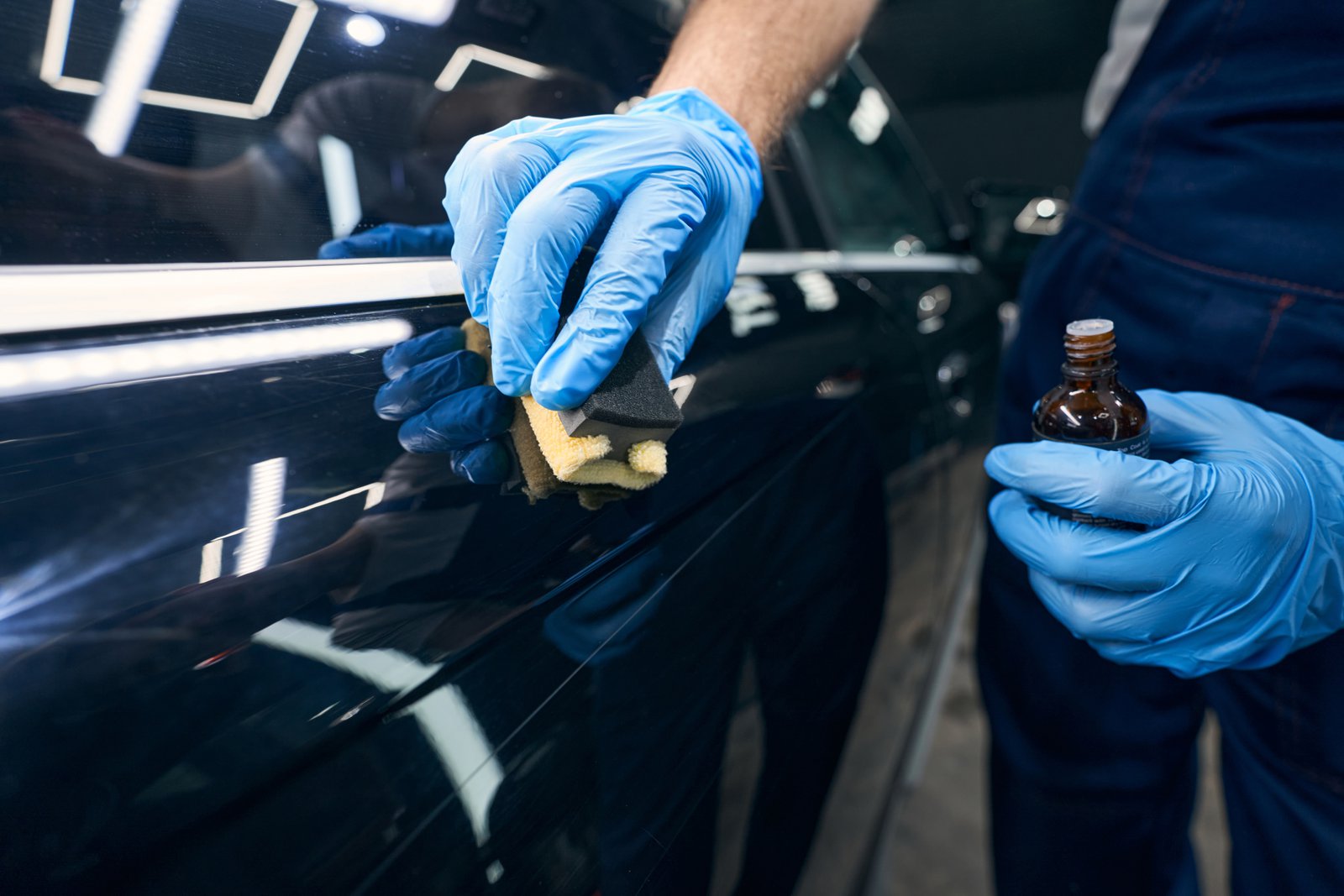
Ceramic coatings are a popular option for long-term paint preservation. These liquid coatings chemically bond with the prepared surface, creating a durable layer that improves resistance to UV exposure, oxidation, chemical contamination, dirt, and water spotting.
Professional ceramic coating paint protection can help:
- Preserve gloss and color depth
- Make dirt and road film easier to remove
- Reduce the frequency of waxing
- Improve hydrophobic performance
- Protect against light chemical contamination
- Support easier long-term maintenance
Ceramic coatings do not make a vehicle scratch-proof, and they cannot prevent rock chips or dents. Their performance also depends heavily on paint preparation. Existing oxidation, swirls, scratches, and defects should generally be corrected before the coating is installed. Otherwise, those imperfections may remain visible beneath the protective layer.
For vehicle owners researching how to protect paint on a car from California heat and sunlight, a professionally installed ceramic coating can offer a substantial upgrade over basic wax.
8. Install Paint Protection Film on Vulnerable Areas
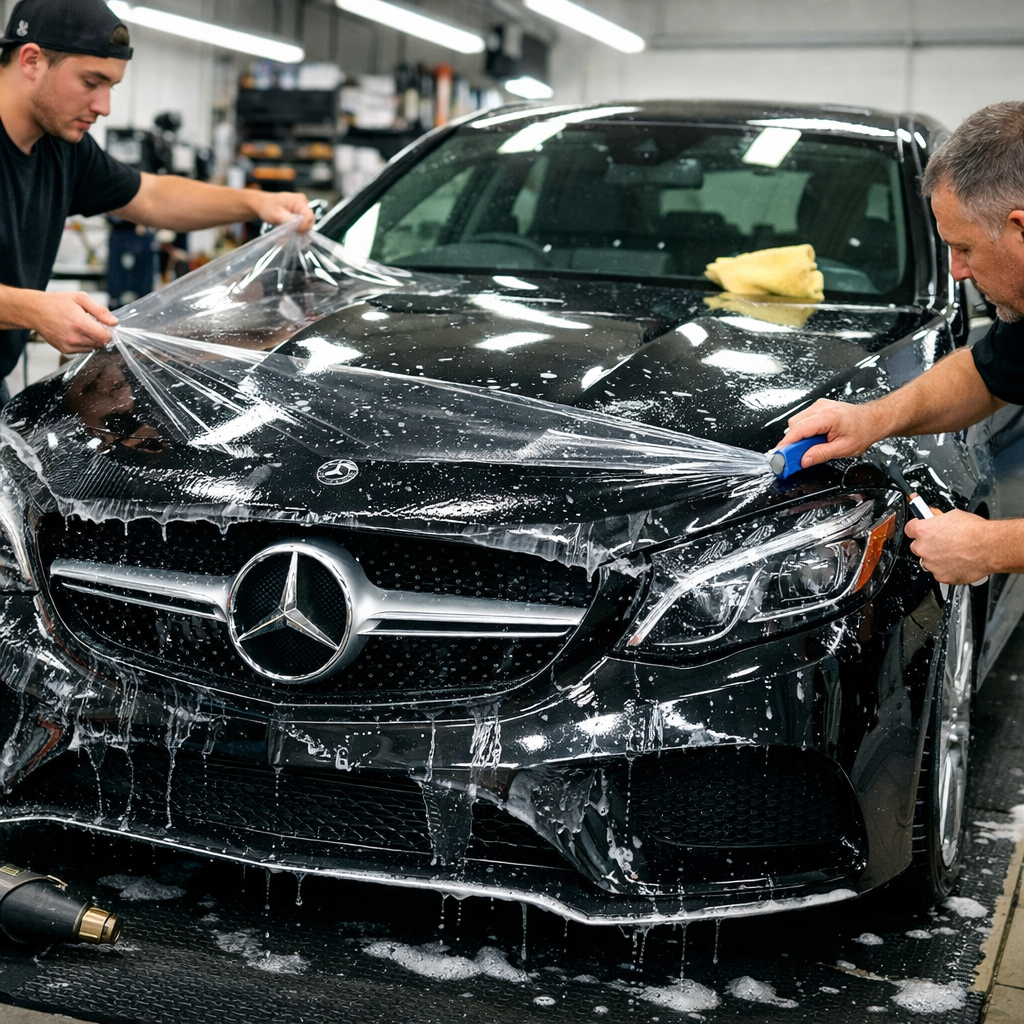
Paint protection film, commonly called PPF or clear bra, is a transparent urethane film applied over painted surfaces. It is designed to absorb damage from rock chips, road debris, minor abrasion, bug impacts, and wheel rash.
PPF is especially valuable on high-impact areas such as:
- Front bumpers
- Hoods
- Front fenders
- Side mirrors
- Rocker panels
- Door edges
- Rear wheel arches
- Lower body panels
Full-vehicle protection is also available for owners who want more comprehensive coverage. Matte PPF can be used to preserve factory matte finishes or create a satin-style appearance while adding physical protection.
PPF and ceramic coatings serve different purposes. Film offers greater protection against impact and abrasion, while ceramic coating improves chemical resistance, gloss, water behavior, and ease of cleaning. Many owners combine ceramic coating and PPF for layered protection.
9. Address Paint Damage Before Summer Exposure Worsens It
Minor paint defects can become more visible or more difficult to correct after months of heat and UV exposure. Scratches, oxidation, peeling clear coat, chipped paint, bumper damage, and neglected touch-up areas should be inspected before they spread.
Professional paint restoration may include:
- Paint decontamination
- Machine polishing
- Swirl mark correction
- Oxidation removal
- Scratch reduction
- Paint touch-up
- Bumper refinishing
- Panel or parts repair
- Paint refinishing
- Door jamb and chassis paint restoration
Paint correction removes or reduces defects by carefully leveling a small portion of the clear coat. Because the process requires experience, lighting, measurement, and appropriate polishing methods, it is often best performed by a trained detailer—particularly on classic, exotic, luxury, or collector vehicles.
10. Avoid Abrasive Automatic Car Washes
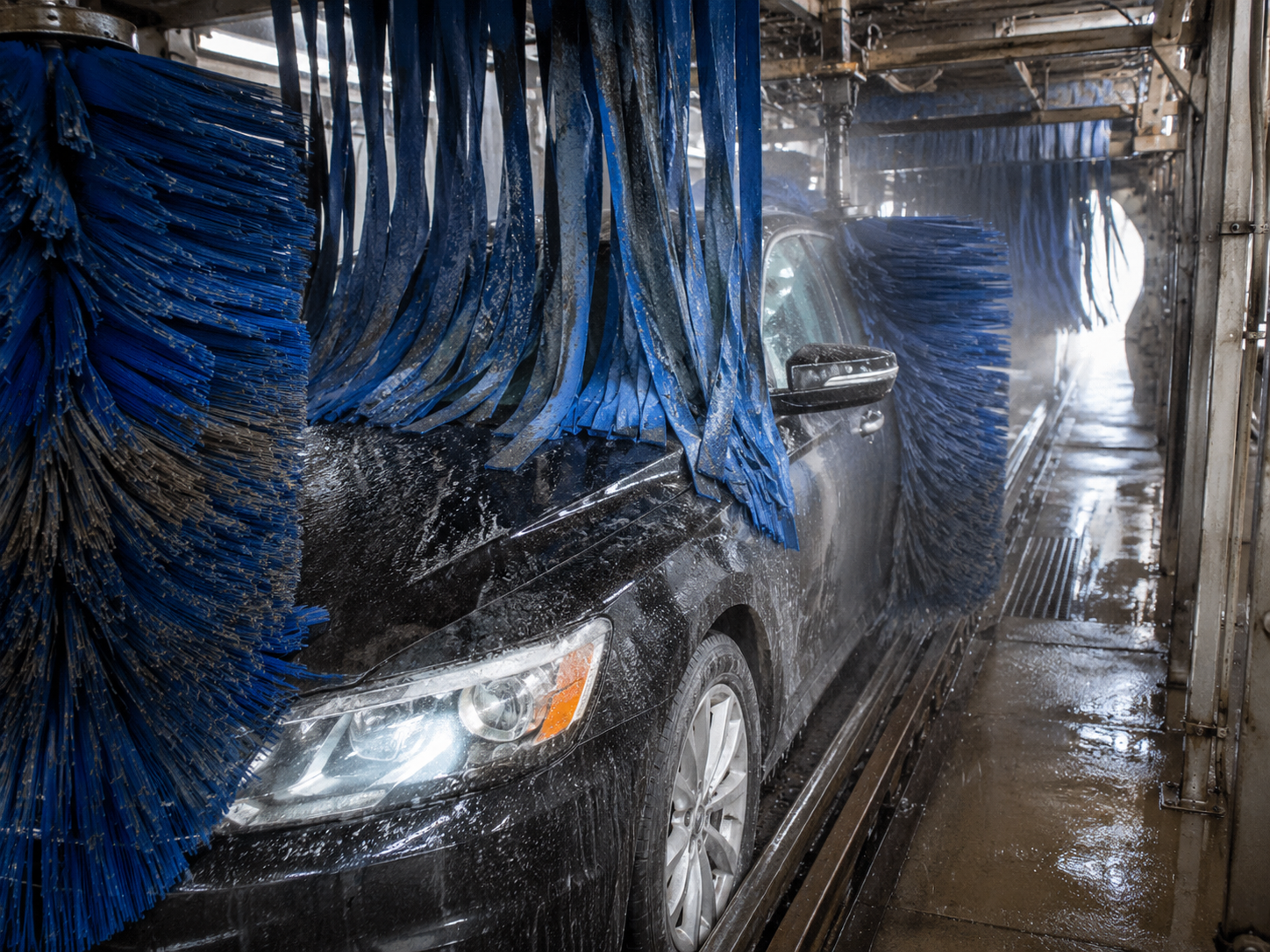
Some automatic car washes use rotating brushes or cloth strips that may retain dirt from previous vehicles. When these materials move across the paint, they can create swirl marks, fine scratches, and a hazy finish.
Touchless washes reduce physical contact but may rely on stronger chemicals that can weaken waxes and sealants over time. They may also leave contamination behind if the vehicle is heavily soiled.
A careful hand wash using clean tools and paint-safe products is generally the better choice for preserving a well-maintained finish. Professional detailing is particularly valuable for delicate, restored, custom-painted, matte, classic, or collector automobiles.
11. Use a Quality Car Cover Correctly
A fitted car cover can help shield a vehicle from sunlight, dust, and airborne debris when indoor parking is unavailable. However, covers must be used correctly.
Never place a cover over a dirty vehicle. Dust trapped between the cover and paint may create scratches as the fabric shifts in the wind. The cover should be breathable, soft on the interior, securely fitted, and intended for outdoor automotive use.
For long-term storage, the car should be thoroughly cleaned and dried before it is covered. A quality cover is helpful, but it should complement—not replace—paint sealants, ceramic coatings, PPF, and regular maintenance.
12. Protect the Interior From the Same Summer Heat
Although exterior paint may be the primary concern, California sunlight can also fade dashboards, leather, trim, carpets, and upholstery. Ceramic window tinting can reduce heat and UV exposure inside the cabin while improving comfort.
Interior protection may include:
- Ceramic window film
- UV-resistant window tint
- Leather cleaning and conditioning
- Fabric and carpet protection
- Dashboard and trim protectants
- Windshield sunshades
Protecting both the exterior and interior helps maintain the vehicle’s appearance, comfort, and resale value.
Professional Paint Protection at Doctor Detail in Costa Mesa
Established in 1983, Doctor Detail is located in Orange County, California, at the center of Southern California’s automotive culture. We specialize in complete automotive reconditioning and detailing at every level, from routine maintenance to concourse preparation. Our team provides professional interior and exterior detailing for daily drivers, luxury vehicles, classic automobiles, and collector cars, including Ferraris, Porsches, Lamborghinis, BMWs, Mercedes-Benz models, and more.
Doctor Detail offers a wide range of automotive detailing services designed to restore, preserve, and protect car paint. Our capabilities include paint repair and restoration, paint sealants, polymer and nano coatings, ceramic coatings, PPF installation, clear protective films, matte PPF, full-vehicle protection, bumper refinishing, wheel refinishing, curb rash repair, paintless dent repair, vehicle wrapping, show car preparation, and paint and body reconditioning. We also exclusively offer steam cleaning for engines and undercarriages, along with complete engine and undercarriage restoration.
Whether your vehicle needs maintenance detailing, paint correction, dent removal, refinishing, protective film, or complete reconditioning, our services can be tailored to its condition and intended use.
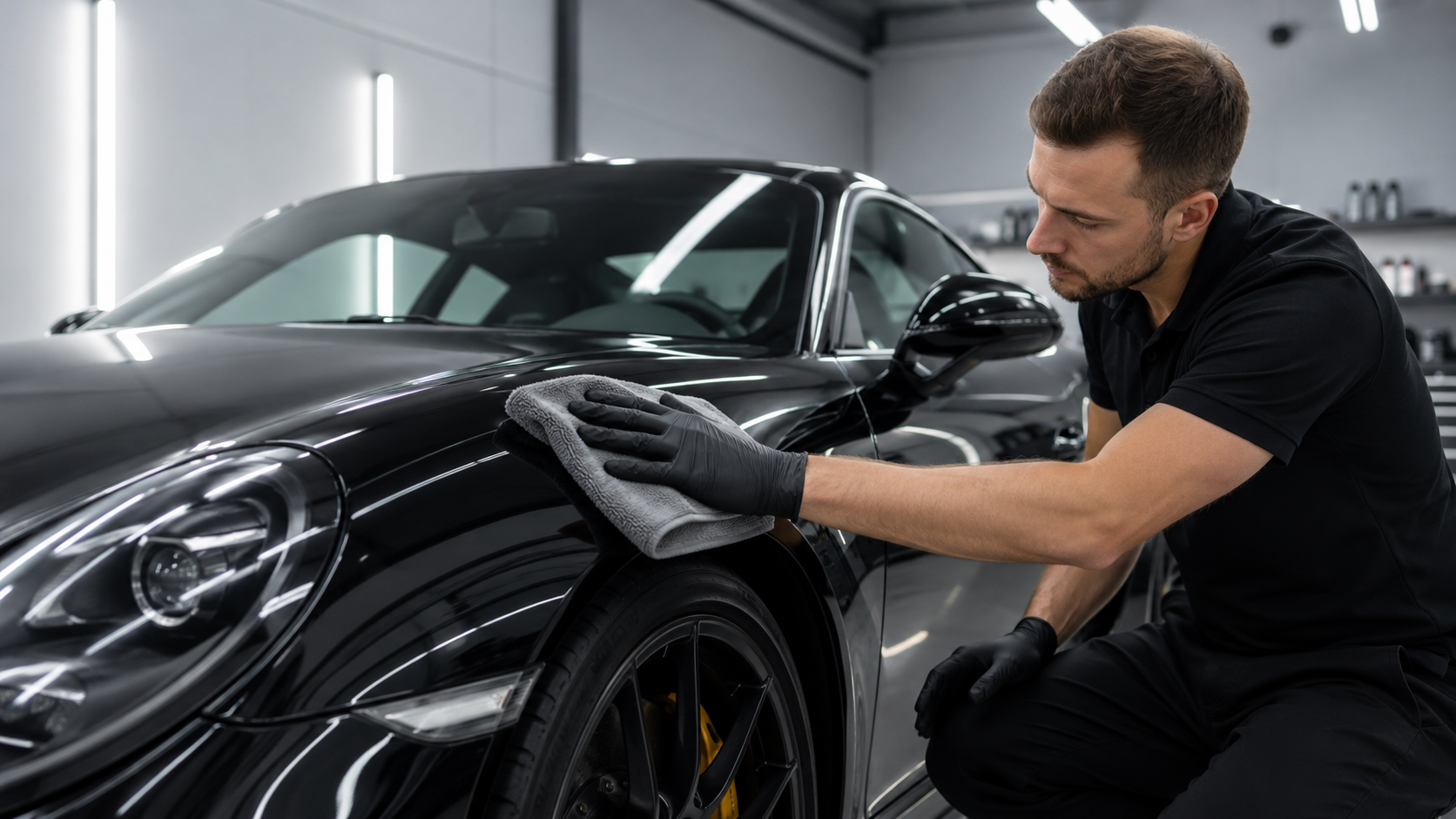
Protect Your Vehicle’s Paint With Doctor Detail
Knowing how to protect car paint during a California summer begins with careful washing, covered parking, prompt contaminant removal, and consistent maintenance. For more durable protection, professional ceramic coatings, paint restoration, sealants, window film, and paint protection film can help defend your vehicle against UV exposure, heat, road debris, and environmental contamination.
Contact Doctor Detail in Costa Mesa to learn more about our professional detailing, paint restoration, ceramic coating, PPF installation, paintless dent repair, and automotive reconditioning services. Schedule an appointment today to give your vehicle the protection and expert care it needs throughout the summer and beyond.