Classic and collector vehicles require a different level of care than modern daily drivers, especially when their paint begins to fade, haze, or lose depth. If you are searching for how to remove oxidation from paint on car surfaces without damaging older finishes, it is important to understand that oxidation is not just a cosmetic issue. It is a sign that the paint has been exposed to sunlight, oxygen, moisture, and environmental contaminants long enough for the top layer to break down.
Older vehicles often have thinner, more delicate paint systems than newer cars. Some may still have original single-stage paint, while others may have aging clear coat, older repaint work, or rare factory finishes that should be preserved whenever possible. Removing oxidation on car paint safely requires patience, the right products, and a conservative approach that protects the vehicle’s value.
What Causes Oxidation on Car Paint?
Oxidation occurs when the paint surface reacts with oxygen and UV exposure over time. As the protective oils, resins, or clear coat begin to deteriorate, the paint can look chalky, dull, cloudy, or faded. On older classic and collector cars, oxidation is especially common because many vehicles were painted decades ago using materials that may not offer the same UV resistance as modern finishes.
Common causes of oxidation on car paint include:
- Long-term sun exposure
- Lack of regular waxing or paint protection
- Harsh weather conditions
- Improper washing techniques
- Road grime, road salt, and airborne pollutants
- Aging single-stage paint
- Thin or failing clear coat
- Previous aggressive polishing or compounding
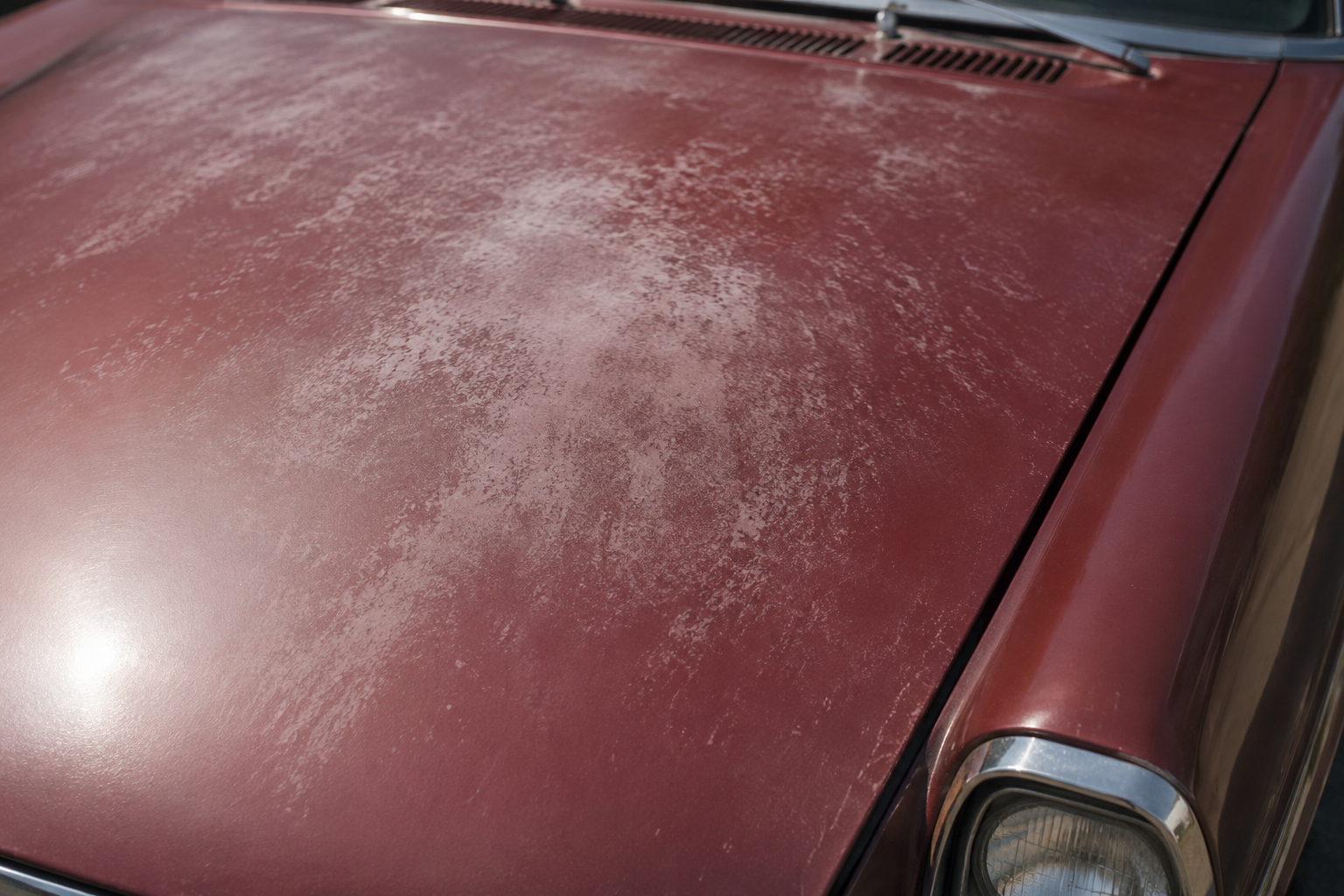
When paint begins to oxidize, the goal is not to “scrub” it away. The safer approach is to evaluate the paint, remove contamination, lightly restore the surface, and protect what remains, especially since prolonged exposure to sunlight is a major cause of oxidation and parking in shaded areas or under a roof can help protect the surface.
Why Older Classic and Collector Cars Need Special Care
Learning how to remove oxidation from paint on car surfaces is especially important when working on older vehicles because their paint may be fragile. Many classic Ferraris, Porsches, Lamborghinis, BMWs, Mercedes-Benz vehicles, and other collector cars have unique paint histories. Some have original paint that adds to their value, while others have older resprays that may vary in thickness and hardness from panel to panel.
Older paint can be risky to correct because:
- It may be thinner than expected.
- Single-stage paint can transfer pigment during polishing.
- Clear coat may already be compromised.
- Edges, body lines, and curves can burn through quickly.
- Previous detailers or owners may have already removed paint material.
- Some rare finishes are difficult or expensive to replicate.
For these reasons, safe oxidation removal should always begin with inspection, not polishing.
Step 1: Inspect the Oxidizing Paint on Car Surfaces
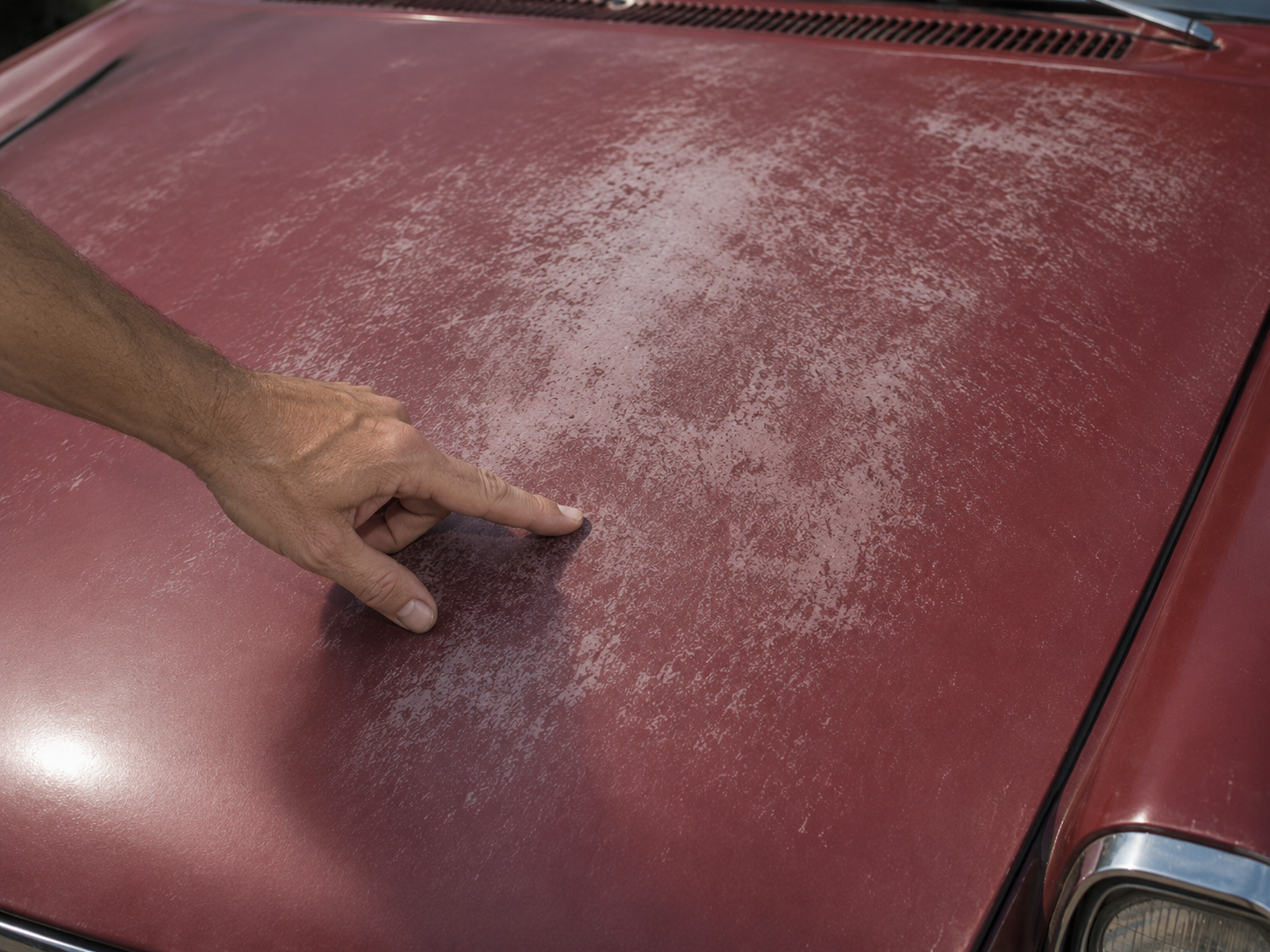
Before attempting to correct oxidizing paint on car panels, inspect the vehicle in proper lighting. Look for dullness, chalkiness, uneven fading, cracking, peeling, or areas where the clear coat may be failing. If the paint is flaking, bubbling, or separating, polishing will not restore it safely. In those cases, repainting or specialized restoration may be required.
A professional inspection may include:
- Checking paint thickness with a paint depth gauge
- Identifying whether the vehicle has single-stage paint or clear coat
- Looking for previous bodywork or repaint areas
- Inspecting edges, trim lines, and raised contours
- Determining whether oxidation is mild, moderate, or severe; light oxidation often shows surface chalkiness, while heavy oxidation brings heavier fading and a rough texture
This step is critical because not all oxidation can be removed safely. The goal is to preserve the paint, not chase perfection at the expense of originality.
Step 2: Wash the Vehicle Thoroughly
Before polishing or compounding, the paint must be completely clean. Dirt and grit can create scratches if they are dragged across the surface during the restoration process.
Use a gentle pH-balanced car shampoo, a soft wash mitt, and a two-bucket method to help minimize swirl marks. Avoid dish soap, harsh degreasers, or abrasive brushes, especially on older vehicles. Work from the top down and rinse frequently, and remove bird droppings promptly before they etch the finish.
For classic and collector vehicles, it is also wise to be careful around:
- Older rubber seals
- Chrome trim
- Badges and emblems
- Soft convertible tops
- Original pinstriping
- Delicate vents, grilles, and body seams
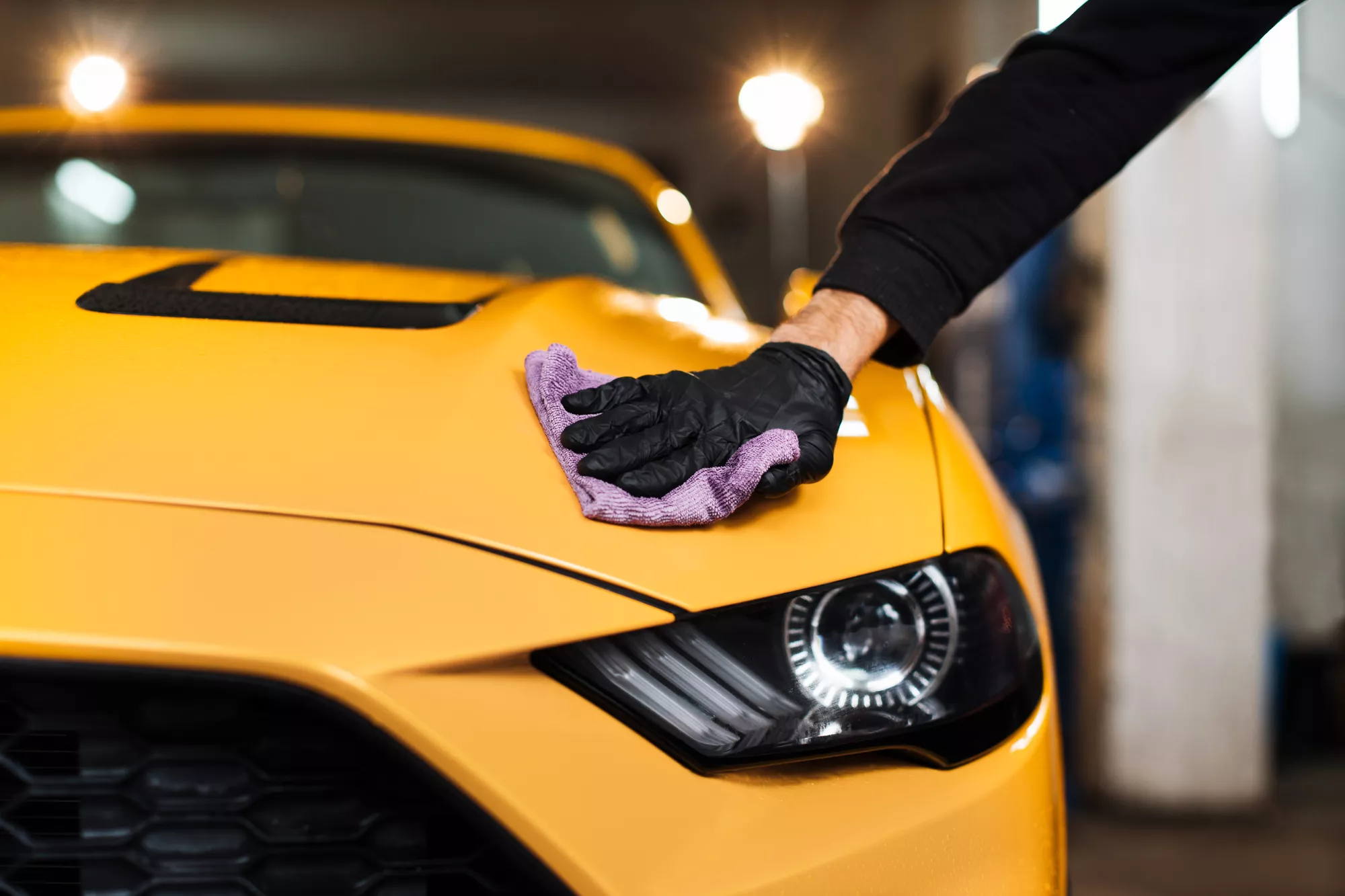
After washing, dry the vehicle with clean microfiber towels or a touch-safe drying towel, and wash the vehicle regularly to help slow oxidation.
Step 3: Decontaminate the Paint Carefully
After washing, the surface may still contain bonded contaminants such as brake dust, overspray, tree sap residue, industrial fallout, or embedded grime. These contaminants can interfere with polishing and make oxidation removal less effective.
A clay bar or synthetic clay mitt can help remove bonded contaminants, but it should be used carefully on older paint. Always use plenty of clay lubricant and avoid excessive pressure. If the paint feels extremely dry or fragile, a professional detailer may choose a less aggressive decontamination method.
This step helps create a smoother surface before addressing oxidation on car paint through polishing.
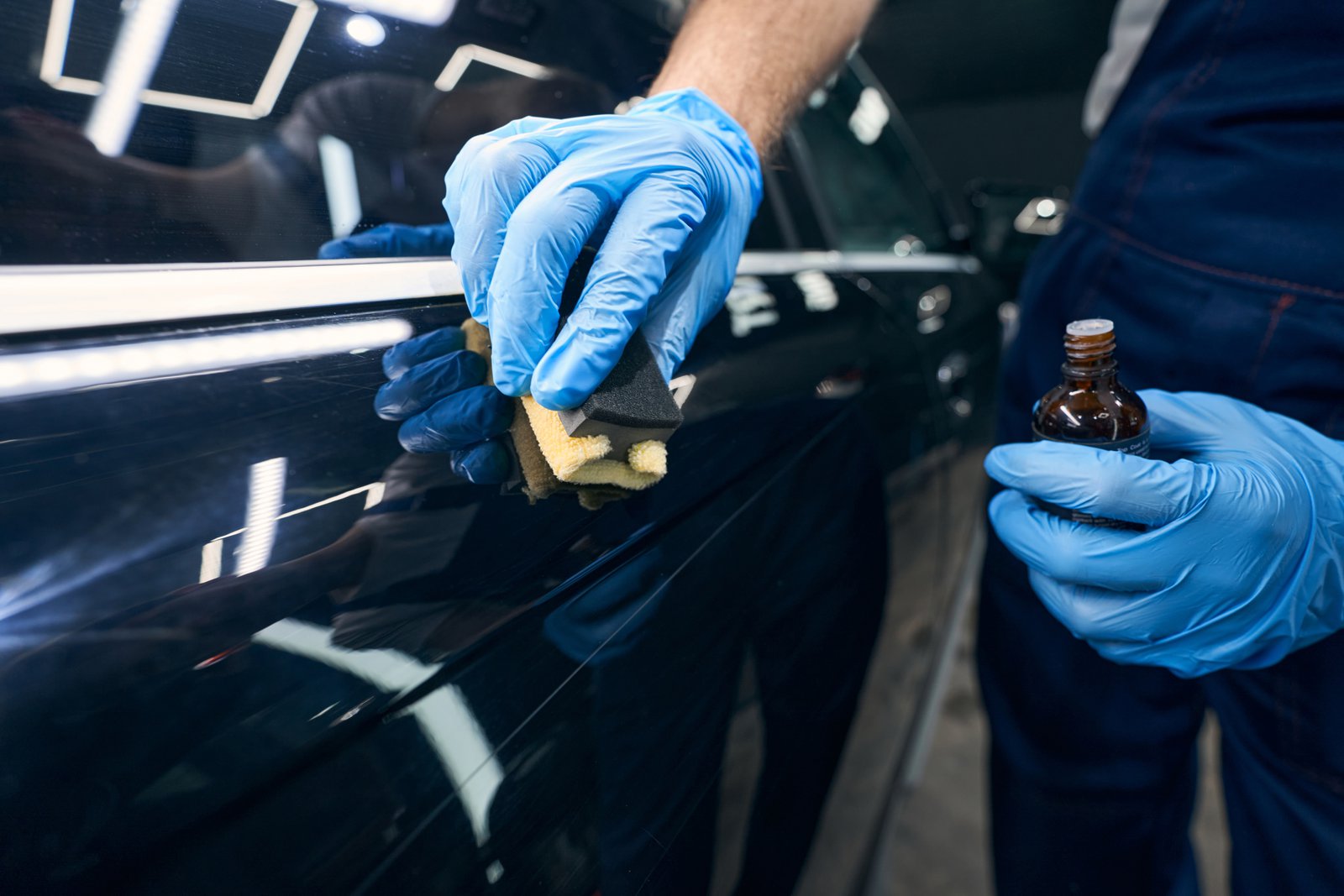
Step 4: Start With the Least Aggressive Method
One of the most important rules for how to remove oxidation from paint on car finishes safely is to begin with the least aggressive method that can produce results. This is especially true for older classic and collector cars, where every polishing step removes a small amount of paint or clear coat.
A safe test spot can help determine the right approach. Choose a small, inconspicuous area and test a mild polish with a soft foam pad before moving to stronger compounds.
A typical progression may include:
- Mild finishing polish
- Light cutting polish
- Medium polish
- Compound only when absolutely necessary
Avoid jumping straight to a heavy compound. Aggressive products may remove oxidation quickly, but they can also remove too much paint, create haze, or damage fragile edges.
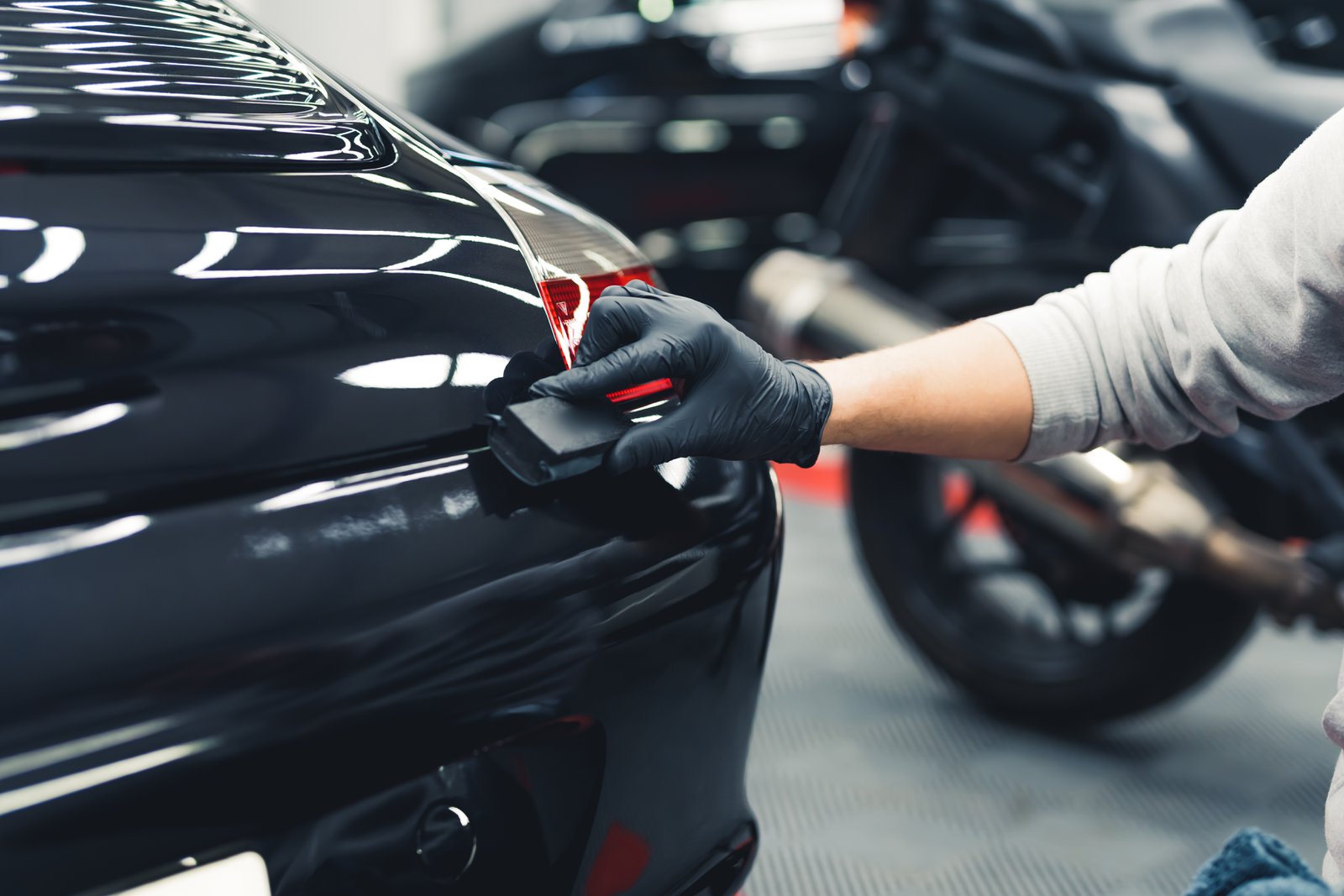
Step 5: Polish the Oxidized Paint in Controlled Sections
Once the correct polish and pad combination has been selected, work in small sections. Keep machine speed, pressure, and heat under control. A dual-action polisher is an efficient buffing method for paint restoration and is safer for beginners than a rotary buffer. Older paint can react unpredictably, so the surface should be checked often.
When polishing oxidizing paint on car panels, use slow, controlled movements with light pressure and avoid staying too long in one area. Edges, ridges, and raised body lines require extra caution because paint is often thinnest there. A polishing compound can stain plastic or rubber trim, so mask adjacent trim with automotive masking tape before polishing.
On more oxidized areas, a polishing compound may help restore clarity, while heavily affected spots may require a rubbing compound after decontamination to cut through the oxidized layer.
Best practices include:
- Work one small section at a time.
- Use clean pads and towels.
- Avoid excessive pressure.
- Keep the pad flat when possible.
- Do not over-polish thin or fragile areas.
- Inspect the paint frequently under good lighting.
If color transfers onto the pad, the vehicle may have single-stage paint. This is not always a problem, but it means the polish is directly removing oxidized pigment. In this case, a more conservative approach is especially important.
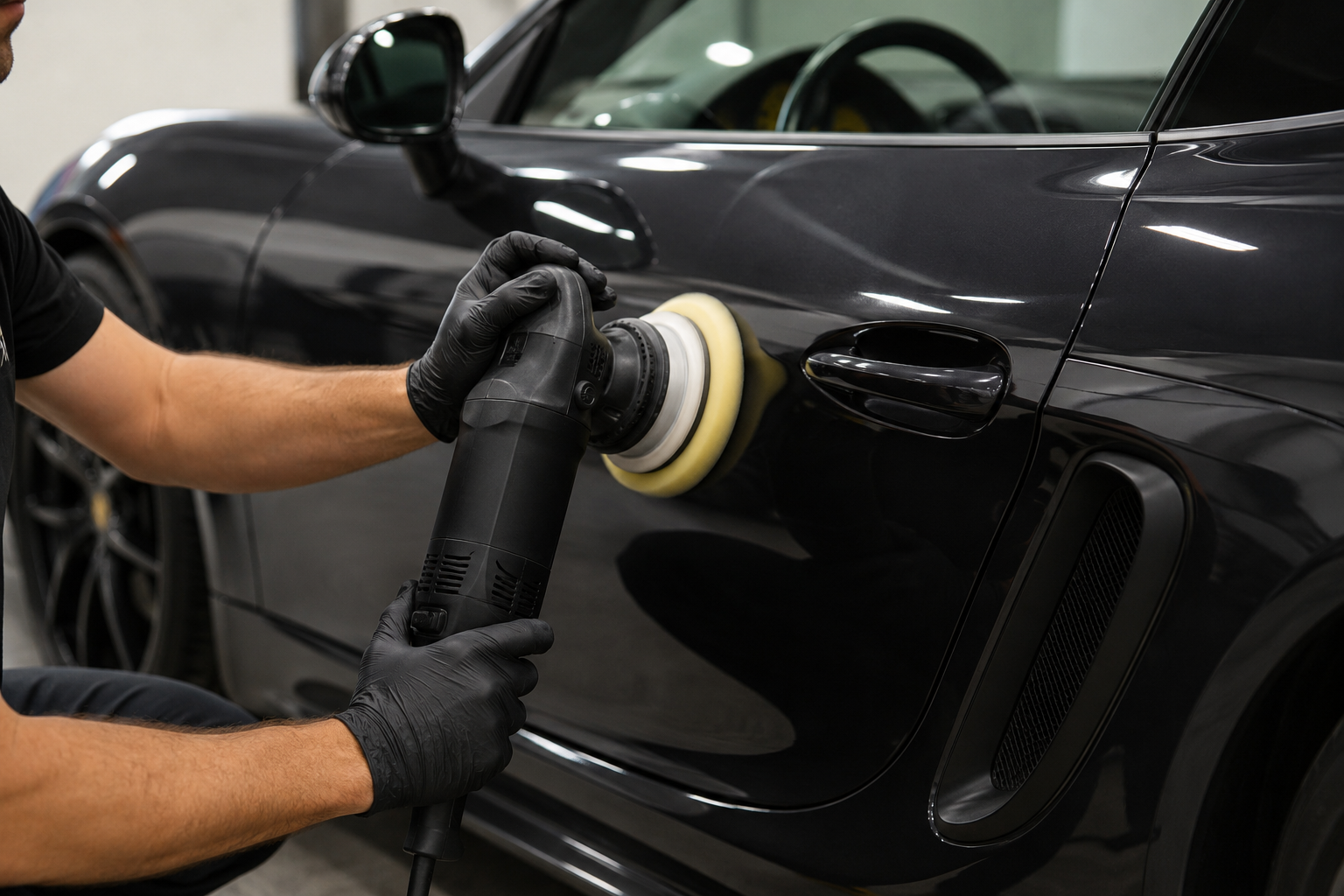
Step 6: Wipe Down and Inspect the Results
After polishing a section, gently wipe away residue with a clean microfiber towel. Inspect the finish from multiple angles. The goal is to restore gloss, depth, and clarity while preserving as much paint as possible.
Not every older vehicle should be polished to a flawless finish. In many cases, a careful improvement is better than aggressive correction. A classic car with original paint may benefit more from preservation detailing than from heavy paint correction.
If oxidation remains after a mild polish, reassess before using a stronger product. The remaining oxidation may be too deep, or the paint may be too thin to safely correct further.
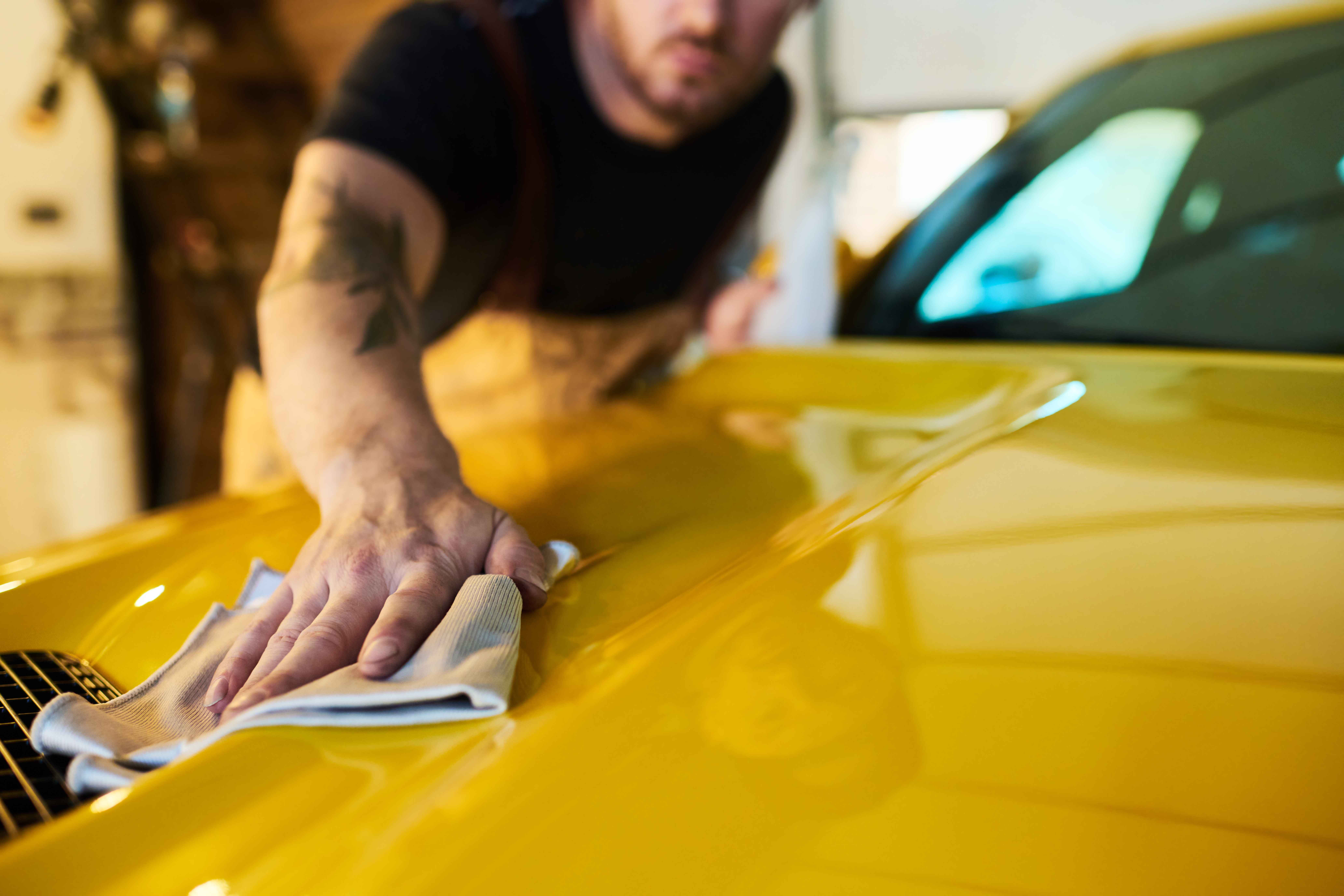
Step 7: Protect the Restored Paint
Once the oxidation has been safely reduced or removed, the paint needs protection. Freshly polished paint is more exposed and vulnerable, so it should receive a protective layer right away with a quality wax, paint sealant, or ceramic coating suited to the vehicle’s paint type and use; ceramic coating offers long-lasting protection against uv rays, chemicals, and oxidation while leaving a glossy finish.
Protection helps guard against:
- UV exposure
- Moisture
- Road film
- Environmental fallout
- Future oxidation
- Loss of gloss and color depth
For older collector vehicles, traditional waxes may be preferred for certain finishes, while modern sealants or coatings may be suitable for others. The right choice depends on the vehicle’s paint condition, originality, storage environment, and owner preferences. For upkeep, wash every two to three weeks and wax every three to four months when appropriate for the finish.
Can Severe Oxidation on Car Paint Always Be Fixed?
Severe oxidation on car paint cannot always be fully corrected. If the clear coat is failing, peeling, or turning white in patches, polishing may only offer temporary improvement. In severe cases, a rubbing compound may be needed because it cuts into the clear coat to remove the oxidized layer, and a polishing compound may not be strong enough to do that safely and effectively. If single-stage paint is extremely thin or cracked, aggressive correction can permanently damage the finish.
Signs that oxidation may be too severe for standard detailing include:
- Clear coat peeling or delamination
- Cracked or checking paint
- Uneven white patches
- Exposed primer
- Extremely thin paint readings
- Heavy fading that does not improve after a test polish
In these situations, a professional evaluation is the safest next step. The best option may be preservation, partial restoration, or paint refinishing rather than continued polishing.
Common Mistakes to Avoid When Removing Oxidizing Paint on Car Finishes
When learning how to remove oxidation from paint on car surfaces, it is easy to damage the finish by using the wrong technique. Older vehicles are especially vulnerable to shortcuts and overly aggressive methods.
Avoid these common mistakes:
- Using household cleaners or abrasive rubbing compounds
- Polishing without washing and decontaminating first
- Applying too much pressure with a machine polisher
- Working too long on edges or body lines
- Using dirty pads or towels
- Skipping a test spot
- Trying to remove oxidation from failing clear coat
- Expecting every older finish to look brand new
Safe detailing is about control, patience, and preservation. The right process should improve the paint while respecting the age, history, and value of the vehicle.
When to Trust a Professional With Classic and Collector Car Paint
If the vehicle is rare, valuable, original, or heavily oxidized, professional detailing is often the safest choice. A trained detailer can evaluate paint thickness, determine the paint type, select the correct correction method, and avoid unnecessary risk.
Professional care is especially important for classic and collector cars because one wrong step can permanently affect originality or resale value. A professional detailer can also recommend whether the vehicle needs oxidation removal, paint correction, preservation detailing, or long-term protection.
About Doctor Detail in Costa Mesa
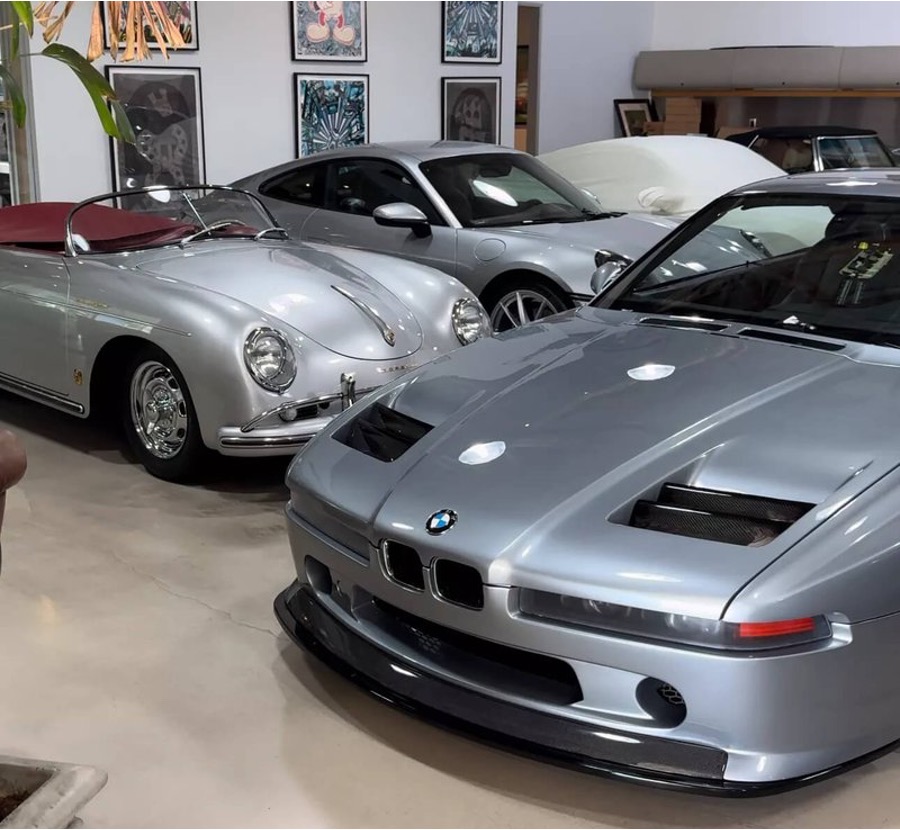
At Doctor Detail in Costa Mesa, we understand that classic and collector vehicles require more than a standard wash or quick polish. These cars often carry history, craftsmanship, and personal value that deserve careful, knowledgeable detailing. Our team offers a wide range of professional automotive detailing services designed to help preserve, restore, and protect high-end and specialty vehicles.
We provide interior and exterior detailing services for classic and collector cars, including Ferraris, Porsches, Lamborghinis, BMWs, Mercedes-Benz vehicles, and more. Whether your vehicle needs careful paint restoration, oxidation evaluation, exterior detailing, interior cleaning, or ongoing maintenance, Doctor Detail offers professional detailing solutions tailored to the condition and character of your car.
Schedule Professional Oxidation Removal and Detailing in Costa Mesa
Knowing how to remove oxidation from paint on car finishes safely is important, but older vehicles often require expert judgment before any correction work begins. If you are dealing with oxidation on car paint or concerned about oxidizing paint on car surfaces, the safest next step is to have the finish professionally inspected.
Contact Doctor Detail in Costa Mesa today to learn more about our classic and collector car detailing services or to schedule an appointment. Our team is here to help protect your vehicle’s appearance, preserve its value, and restore the finish with the care it deserves.