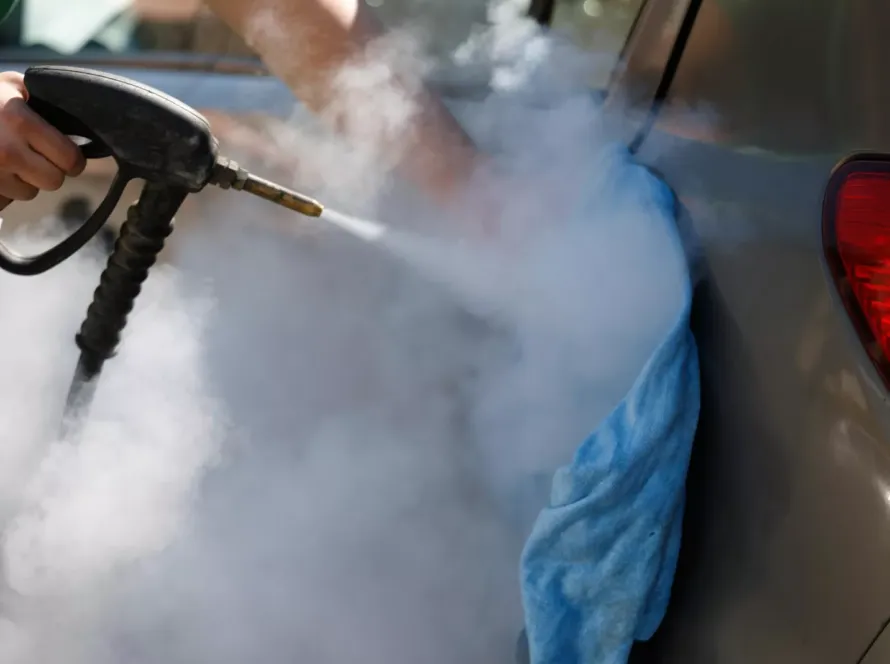
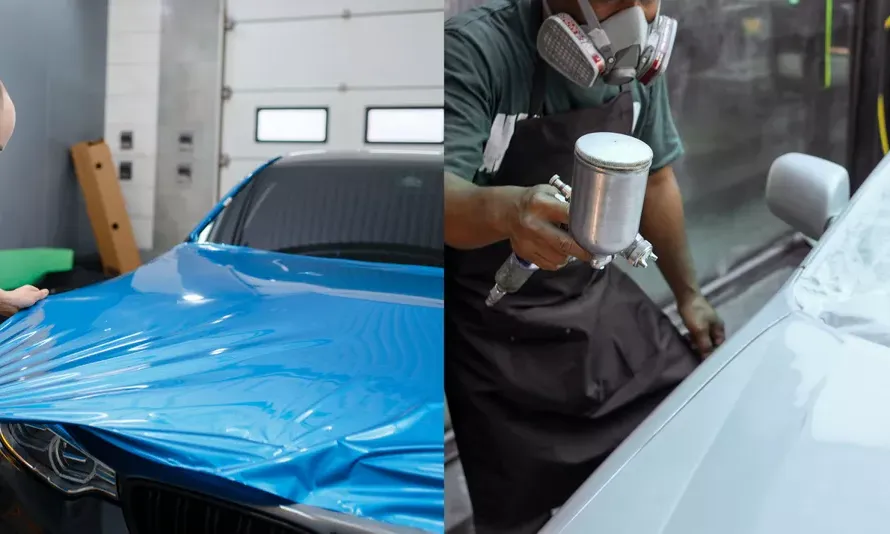
Automatic car washes are convenient, fast, and easy to find, but they are not always the safest choice for your vehicle’s paint. Many drivers ask, “are automatic car washes bad for your car paint?” The answer depends on the type of wash, the condition of the equipment, and how often you use them, but in many cases, automatic car washes can gradually damage your vehicle’s finish.
The biggest concern is that automatic car washes can create fine scratches, dullness, and swirl marks that become more noticeable over time. If you care about preserving your vehicle’s gloss, protecting its resale value, or maintaining a luxury, classic, or collector car, it is important to understand how these washes affect your paint and what better alternatives are available.
Why Automatic Car Washes Can Be Bad for Your Car Paint
Automatic car washes are designed to clean as many vehicles as quickly as possible. While that may be convenient, speed and volume often come at the expense of paint-safe washing techniques.
Your car’s paint is more delicate than it may seem. Modern vehicle paint typically includes a clear coat layer that gives the surface its shine and protection. When dirt, abrasive brushes, harsh chemicals, or contaminated wash materials repeatedly come into contact with that clear coat, they can leave behind scratches and imperfections.
Over time, this can cause your paint to look:
- Dull or hazy
- Scratched under direct sunlight
- Covered in circular swirl marks
- Less reflective than it used to be
- More difficult to correct without professional polishing
Even if the damage is not immediately obvious after one wash, repeated automatic car washes can slowly wear down the appearance of your vehicle’s finish.
Do Automatic Car Washes Cause Swirl Marks?
Many car owners wonder, “do automatic car washes cause swirl marks?” In many cases, yes, automatic car washes are one of the most common causes of swirl marks, especially when they use spinning brushes, cloth strips, or poorly maintained equipment.
Swirl marks are tiny scratches in the clear coat that often appear as circular or spiderweb-like patterns when sunlight or bright lighting hits the paint. They are usually caused by dragging dirt, dust, or abrasive materials across the surface of the vehicle.

Automatic car washes can cause swirl marks because:
- Brushes and cloth strips may collect dirt from previous vehicles.
- High-speed contact can grind contaminants into the paint.
- The wash process is not customized to your vehicle’s condition.
- Drying methods may use rough materials or forced contact.
- Harsh chemicals can weaken the finish over time.
Dark-colored vehicles, especially black, navy, and deep red cars, tend to show swirl marks more clearly. However, all paint colors can be affected.
The Problem with Brush-Style Automatic Car Washes
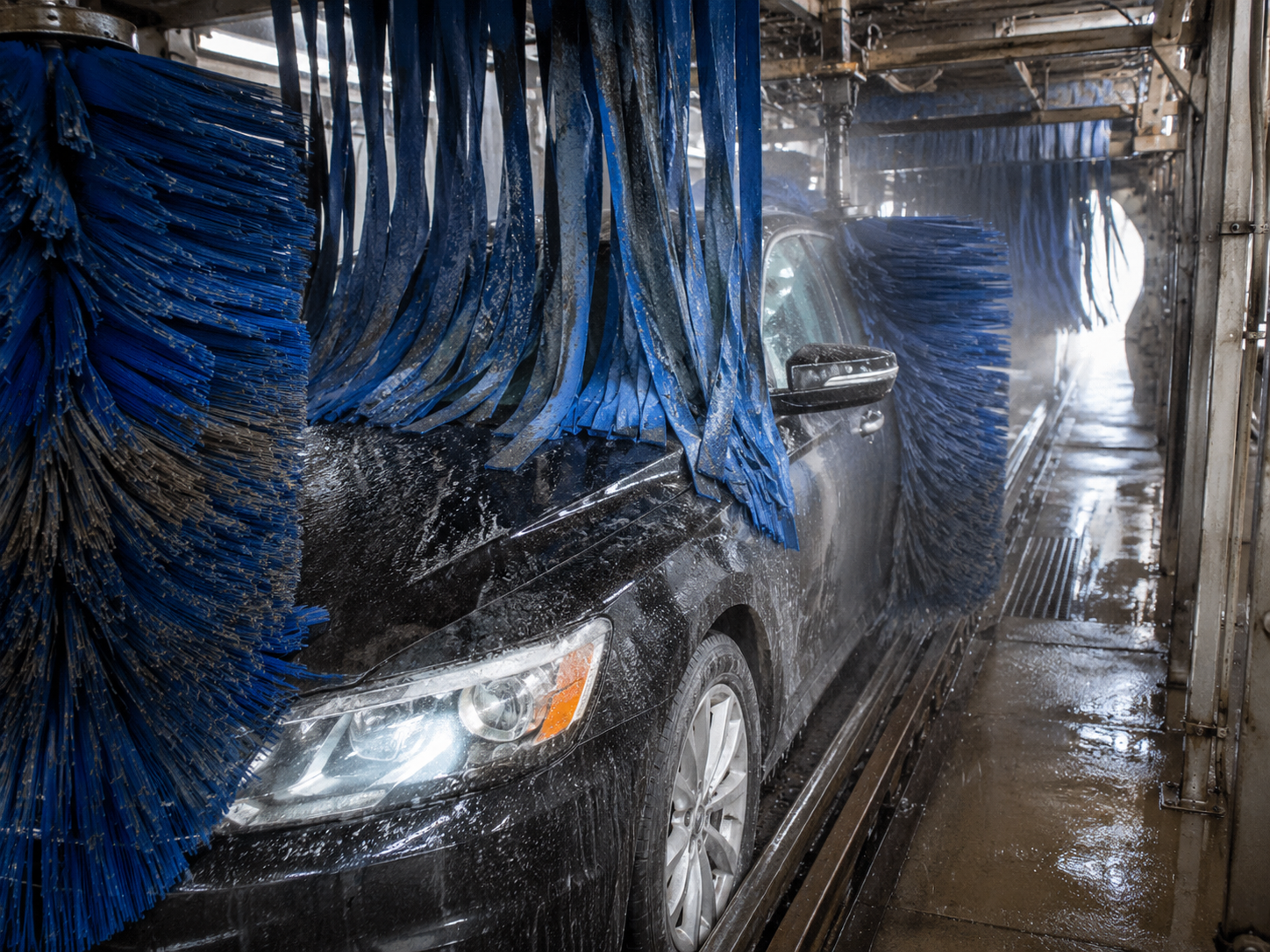
Brush-style automatic car washes are among the most concerning options for paint care. These systems use rotating brushes or fabric strips that physically scrub the vehicle as it moves through the tunnel.
While this may remove visible dirt quickly, the issue is that those brushes touch hundreds of cars. If the brushes are not thoroughly cleaned and maintained, they can hold onto sand, grit, road grime, and other abrasive particles. When those contaminated materials hit your paint, they can create fine scratches.
This is especially problematic for vehicles with:
- Soft paint finishes
- Dark or high-gloss paint
- Recently corrected paint
- Ceramic coatings
- Classic or collector-quality finishes
- Luxury or exotic vehicle paintwork
For high-end vehicles, even minor paint damage can be costly to correct. A quick wash may save time in the moment, but it can lead to more expensive restoration work later.
Are Touchless Car Washes Safer?
Touchless automatic car washes are usually safer than brush-style washes because they do not use physical brushes or cloth strips to scrub the paint. Instead, they rely on high-pressure water and chemical cleaners to loosen and remove dirt.
However, touchless car washes are not perfect. Because there is no physical hand washing involved, these systems often use stronger chemicals to break down dirt and grime. Over time, repeated exposure to harsh detergents can degrade wax, sealants, and other protective layers.
Touchless car washes may also struggle to fully remove bonded contaminants, bug residue, brake dust, and road film. This can leave behind a thin layer of grime that dulls the paint and makes the vehicle look less clean than it should.
In general, touchless washes are less likely to cause swirl marks than brush-style washes, but they are still not the best option for long-term paint protection.
How Automatic Car Washes Can Damage Your Clear Coat
The clear coat is the transparent protective layer over your vehicle’s paint. It is responsible for much of the shine, depth, and gloss you see when your car is clean. When the clear coat is damaged, the paint can appear faded, scratched, or cloudy.
Automatic car washes can affect the clear coat in several ways:
Micro-Scratches
Small scratches form when dirt or abrasive materials are dragged across the paint. These micro-scratches may not be obvious at first, but they build up with repeated washes.
Swirl Marks
Swirl marks are usually caused by circular or repeated contact patterns. Automatic brushes and drying equipment are common contributors.
Chemical Wear
Harsh cleaners can strip waxes, sealants, and other protective products from the paint. Without protection, the clear coat becomes more vulnerable to UV rays, water spots, and contamination.
Reduced Gloss
As imperfections build up, the paint reflects light unevenly. This makes the vehicle look dull, even after it has just been washed.
Why Luxury, Classic, and Collector Cars Need Extra Paint Care
Luxury, classic, and collector vehicles require a higher level of care than daily drivers. Cars such as Ferraris, Porsches, Lamborghinis, BMWs, Mercedes, and other specialty vehicles often have paint finishes that deserve careful maintenance.
For these vehicles, automatic car washes are rarely the best choice. Even minor scratches can reduce the appearance and value of the vehicle. Collector cars may also have older paint systems, delicate trim, custom finishes, or restored surfaces that need a more controlled cleaning process.
Professional hand washing and detailing allow for a safer, more precise approach. Instead of using one generic process for every vehicle, a detailer can evaluate the paint condition, choose the right products, and wash the vehicle using techniques that minimize contact damage.
Better Alternatives to Automatic Car Washes
If your goal is to protect your vehicle’s paint, there are better options than running it through an automatic wash. A safer wash process focuses on lubrication, clean wash media, gentle technique, and proper drying.
Better alternatives include:
- Professional hand washing
- Two-bucket washing methods
- pH-balanced car shampoo
- Clean microfiber wash mitts
- Soft microfiber drying towels
- Foam pre-wash treatments
- Paint decontamination when needed
- Professional detailing services
A professional detailer can also identify early signs of paint damage and recommend the right solution before the problem becomes more severe.
How to Protect Your Car Paint from Swirl Marks
Avoiding automatic car washes is only one part of protecting your paint. Long-term protection also requires proper maintenance and the right protective products.
To help reduce swirl marks and paint damage, consider these steps:
- Wash your car regularly before dirt and grime build up.
- Avoid dry wiping dusty paint.
- Use clean microfiber towels only.
- Never use household cleaners on automotive paint.
- Apply wax, sealant, ceramic coating, or PPF for added protection.
- Schedule professional detailing when the paint begins to look dull.
- Correct existing swirl marks with professional paint correction.
If your vehicle already has swirl marks, they usually cannot be removed by washing alone. Professional polishing or paint correction may be needed to level the clear coat and restore gloss.
Ceramic Coating and PPF: Long-Term Paint Protection Options
For drivers who want stronger paint protection, ceramic coating and paint protection film are two of the best options available.
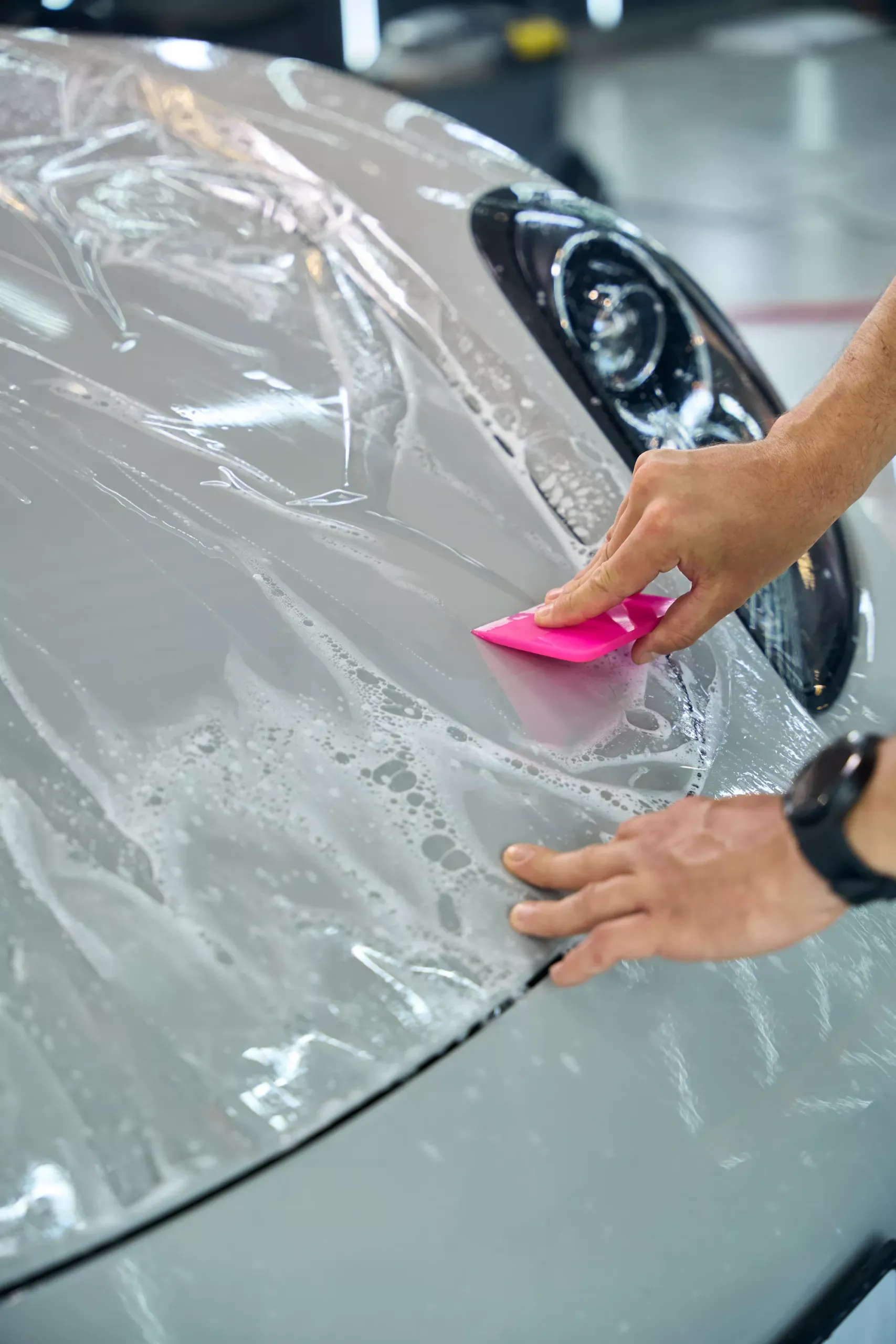
Ceramic coating creates a durable protective layer over the paint that helps repel water, dirt, road grime, and contaminants. It can make washing easier and help preserve gloss when properly maintained. While ceramic coating does not make your car scratch-proof, it does provide a stronger layer of defense than traditional wax.
Paint protection film, also known as PPF, offers physical protection against rock chips, road debris, scratches, and other surface damage. It is often installed on high-impact areas such as the hood, front bumper, fenders, mirrors, and door edges. For luxury, exotic, and collector cars, PPF can be an excellent investment in long-term paint preservation.
When Paint Restoration May Be Necessary
If your vehicle has already been through years of automatic car washes, you may notice swirl marks, haze, scratches, oxidation, or a lack of shine. In these cases, paint restoration may be the best solution.
Paint restoration can involve professional washing, clay bar decontamination, polishing, compounding, and paint correction. The goal is to remove or reduce imperfections in the clear coat and bring back depth, clarity, and gloss.
Signs your vehicle may need paint restoration include:
- Visible swirl marks in sunlight
- Dull or cloudy paint
- Fine scratches across the surface
- Water spots that do not wash away
- Uneven gloss
- Paint that feels rough to the touch
Once the paint is restored, adding ceramic coating or PPF can help preserve the corrected finish.
Doctor Detail: Professional Auto Detailing in Costa Mesa
At Doctor Detail in Costa Mesa, we understand how important proper paint care is, especially for luxury, classic, and collector vehicles. Our team offers a wide range of professional car detailing services designed to clean, restore, and protect your vehicle with the attention it deserves. From paint restoration and paintless dent repair to ceramic coating, PPF installation, interior detailing, exterior detailing, and more, we provide solutions that go far beyond a basic automatic car wash.
We work with a wide range of vehicles, including Ferraris, Porsches, Lamborghinis, BMWs, Mercedes, classic cars, collector cars, and everyday vehicles that deserve professional care. Whether your paint has swirl marks from automatic car washes or you want to protect a newly corrected finish, Doctor Detail can help you choose the right service for your vehicle’s condition and long-term goals.
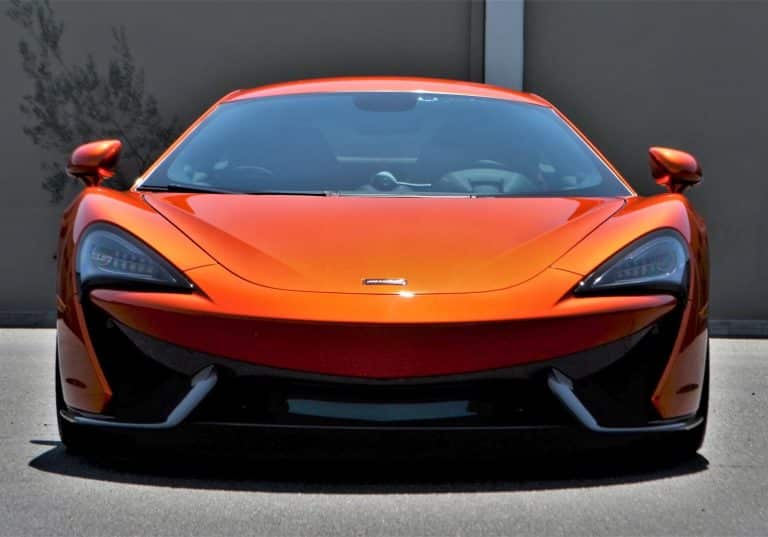
Protect Your Paint with Professional Detailing from Doctor Detail
So, are automatic car washes bad for your car paint? In many cases, they can be. Brush-style automatic washes can create swirl marks, dullness, and clear coat damage, while touchless washes may rely on harsh chemicals that strip away protection over time.
If you want to maintain your vehicle’s shine, value, and appearance, professional detailing is the safer and smarter option. Contact Doctor Detail in Costa Mesa today to learn more about our detailing, paint restoration, ceramic coating, PPF installation, and paintless dent repair services, or schedule an appointment to give your vehicle the expert care it deserves.