

Ceramic coating provides a durable layer of protection that can enhance a vehicle’s gloss while making the exterior easier to maintain. However, coatings can differ significantly in their chemistry, durability, water behavior, chemical resistance, and overall performance. Understanding the different types of ceramic coating for cars is especially important for luxury and collector vehicle owners who want a protection solution suited to their vehicle and how it is driven. From SiO₂ and SiC to graphene-infused and advanced polysilazane formulas, each option offers distinct characteristics worth considering.
What Are the Different Types of Ceramic Coating for Cars?
Ceramic coatings are liquid products that cure and bond to a vehicle’s exterior, creating a protective layer over the underlying finish. While many products are broadly described as “ceramic coatings,” the chemical technologies behind them can vary.
The primary types of ceramic coating include SiO₂, SiC, graphene-infused, TiO₂-enhanced, and polysilazane or polysiloxane coatings. Some products combine multiple technologies, so these categories are not always mutually exclusive.
SiO₂ (Silicon Dioxide) Ceramic Coatings
SiO₂ ceramic coatings are among the most widely used options in automotive detailing. These coatings use silica-based chemistry to create a hard, glass-like layer over the vehicle’s finish once properly cured.
SiO₂ coatings are known for combining strong hydrophobic properties with gloss, UV resistance, and protection against environmental contaminants and chemicals. Their versatility makes them suitable for everything from daily-driven luxury vehicles to carefully maintained collector cars.

Best suited for: Vehicle owners looking for a well-rounded combination of gloss, hydrophobic performance, durability, and easier maintenance.
SiC (Silicon Carbide) Ceramic Coatings
SiC ceramic coatings use silicon carbide chemistry and are commonly associated with premium or professional-grade coating systems. They are valued for their hardness, heat resistance, and ability to withstand demanding environmental conditions.
Depending on the specific formulation, SiC coatings can provide excellent chemical resistance and durable surface protection. They can be particularly appealing for performance, luxury, and exotic vehicles where owners prioritize long-lasting protection.

Best suited for: Owners looking for a durable, high-performance coating with strong chemical and environmental resistance.
Graphene-Infused Ceramic Coatings
Graphene-infused ceramic coatings generally combine traditional ceramic chemistry with graphene-derived additives rather than forming a coating made entirely from graphene. These formulations are designed to build upon the protective characteristics of a conventional ceramic coating.
Graphene-infused products are commonly associated with high surface slickness, strong hydrophobic behavior, and reduced contaminant adhesion. Some formulations are also designed to help reduce water spotting, although actual performance varies between individual products.
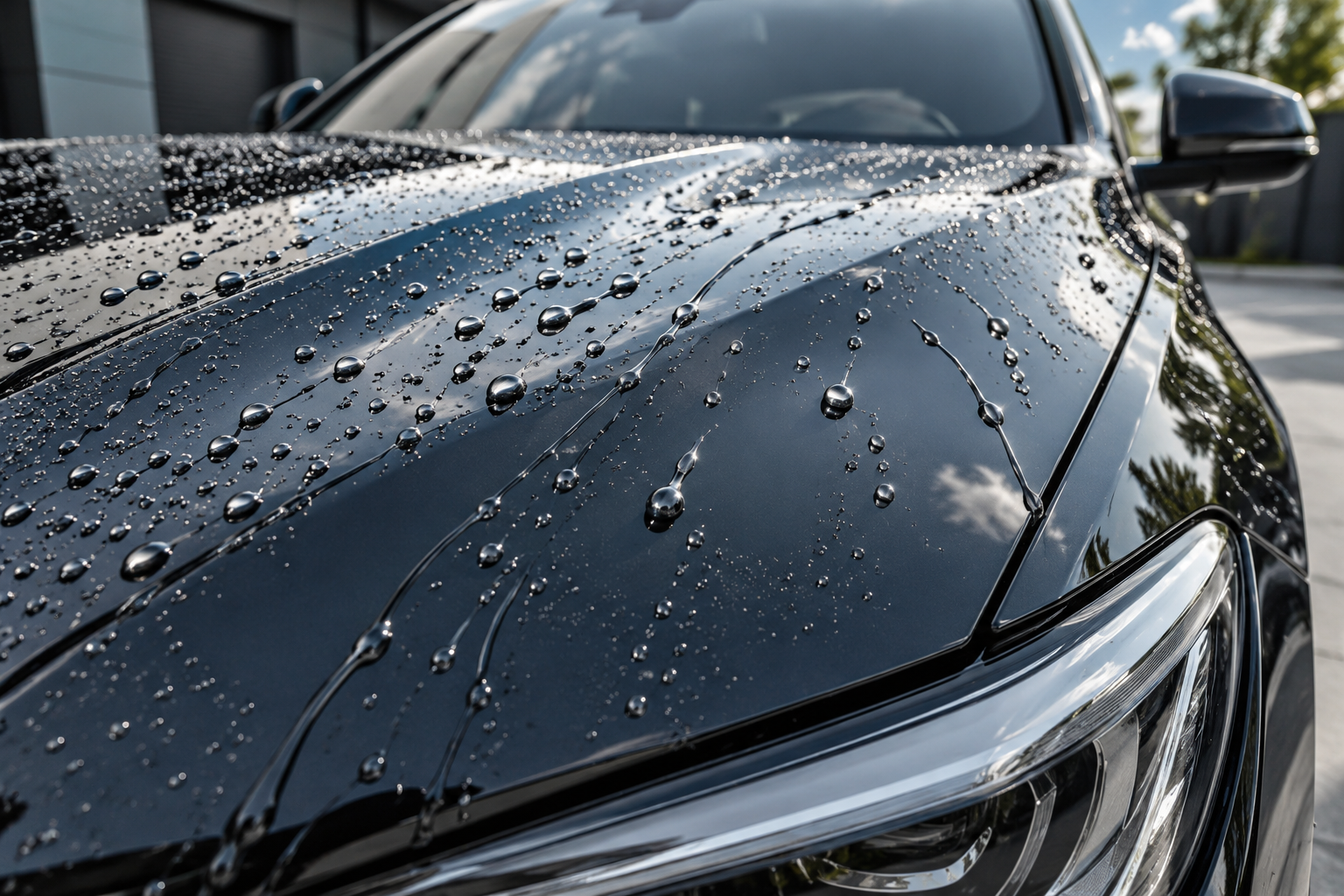
Best suited for: Owners who prioritize slickness, water behavior, easy cleaning, and premium coating technology.
TiO₂ (Titanium Dioxide) Enhanced Ceramic Coatings
TiO₂-enhanced ceramic coatings incorporate titanium dioxide into a broader coating formulation, often alongside SiO₂ or other ceramic materials. TiO₂ is therefore more commonly used as an enhancement than as the sole foundation of an automotive ceramic coating.
These coatings can provide excellent optical properties, contributing to a bright, clear, and glossy appearance while complementing the protective characteristics of the overall coating. This can make TiO₂-enhanced formulas appealing for vehicles where paint clarity and visual presentation are especially important.
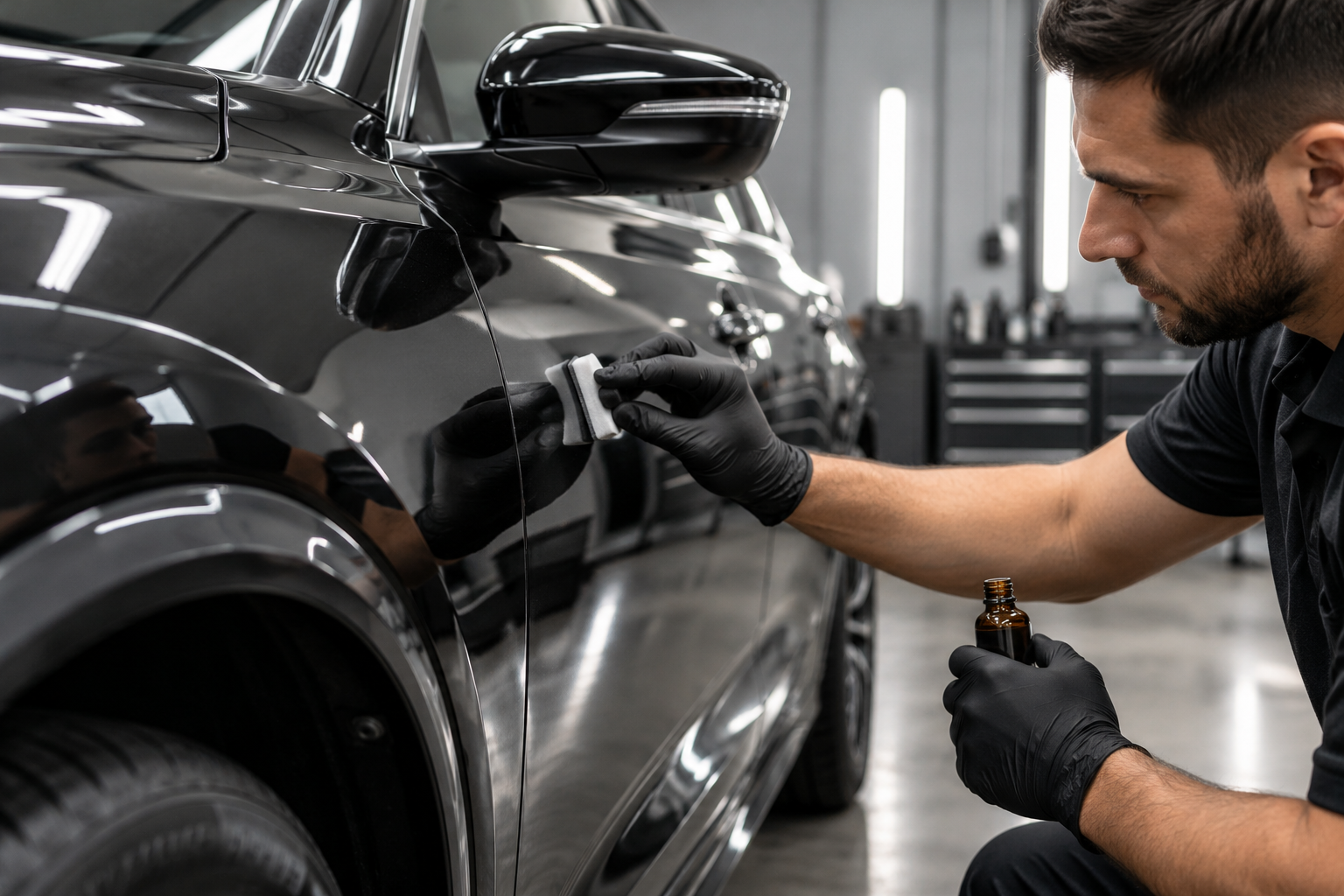
Best suited for: Luxury, exotic, and collector vehicles where optical clarity, gloss, and appearance are major priorities.
Polysilazane and Polysiloxane Ceramic Coatings
Polysilazane and polysiloxane coatings use advanced silicon-based polymer chemistry that can form a highly resilient protective matrix as the product cures. These technologies are frequently found in sophisticated professional coating formulations.
Depending on the specific product, these coatings can deliver excellent chemical resistance, durability, adhesion, and resistance to environmental exposure. Their performance characteristics and installation requirements can make professional application particularly important.
Best suited for: Owners seeking advanced professional-grade protection with an emphasis on long-term durability and chemical resistance.
Comparing the Different Types of Ceramic Coating
Although chemistry helps distinguish one coating from another, the actual performance of a product also depends on its complete formulation. The following provides a general comparison rather than a guarantee of how every coating within a particular category will perform.
Type of Ceramic Coating | Primary Characteristics | Key Benefits | Best For |
SiO₂ | Silica-based, glass-like coating | Gloss, hydrophobicity, UV and chemical resistance | Well-rounded vehicle protection |
SiC | Hard, heat-resistant chemistry | Durability and strong chemical resistance | High-performance protection |
Graphene-Infused | Ceramic base with graphene-derived additives | Slickness, water behavior, easier cleaning | Premium hydrophobic performance |
TiO₂-Enhanced | Typically blended with other ceramic technologies | Optical clarity, brightness, gloss | Appearance-focused applications |
Polysilazane / Polysiloxane | Advanced silicon-based polymer chemistry | Chemical resistance, adhesion, durability | Professional long-term protection |
The coating’s chemistry should not be the only consideration. Product quality, surface preparation, installation, curing conditions, vehicle storage, and ongoing maintenance can all have a substantial effect on durability and overall performance.
How to Choose the Right Type of Ceramic Coating for Your Car
Choosing between the different types of ceramic coating for cars ultimately depends on your vehicle, how you use it, and what you expect from the coating. A Ferrari that primarily comes out for weekend drives may have very different protection requirements from a BMW or Mercedes-Benz driven throughout Orange County every day.
Start by identifying your priorities. Consider factors such as:
- Desired gloss and paint depth
- Hydrophobic performance
- Chemical and environmental resistance
- Expected durability
- Ease of washing and maintenance
- How frequently the vehicle is driven
- Indoor versus outdoor storage
- Exposure to sunlight, coastal conditions, sprinklers, and road contaminants
The condition of the paint should also be considered before installation. Ceramic coating does not remove existing swirls, scratches, oxidation, or water spots. Luxury and collector vehicles can benefit from appropriate paint correction before coating so the finish is properly prepared and refined before the protective layer is applied.
It is also important to have realistic expectations about scratch protection. Ceramic coatings can improve resistance to light environmental wear, but they are not substitutes for paint protection film (PPF) when protection against rock chips and physical impacts is the primary concern. For certain vehicles, combining PPF on impact-prone areas with ceramic coating can provide a more comprehensive approach.
Ceramic Coating and Paint Protection at Doctor Detail in Orange County
At Doctor Detail in Orange County, we specialize in professional car detailing and paint protection services for a wide variety of vehicles, including luxury, performance, exotic, and collector cars. We regularly work with vehicles from manufacturers such as Ferrari, Porsche, BMW, Mercedes-Benz, and more, with services designed to enhance and preserve their exterior finishes.
Our paint protection services include ceramic coating and PPF, allowing vehicle owners to select protection based on their car, driving habits, and long-term goals. Whether you want to enhance the gloss and maintainability of a collector vehicle or add another layer of protection to a luxury daily driver, professional preparation and installation can help you get the most from your chosen solution.
Find the Right Ceramic Coating for Your Vehicle
There are several types of ceramic coating available, and understanding the differences between SiO₂, SiC, graphene-infused, TiO₂-enhanced, polysilazane, and polysiloxane technologies can help you make a more informed choice. Rather than focusing on a single ingredient or marketing claim, consider the overall coating system, the condition of your vehicle, the level of protection you want, and how the car will be used and maintained.
If you own a luxury, performance, exotic, or collector vehicle in Orange County, contact Doctor Detail to schedule a professional ceramic coating installation. We can help you protect your vehicle’s paint while maintaining the gloss, clarity, and finish that make your car stand out.
